```
Browse listings and housing market trends.
Exploring Oakland, CA real estate?
Oakland offers a diverse housing market shaped by distinct neighborhoods, strong cultural identity, and proximity to major Bay Area employment centers. Below are answers to common questions buyers, sellers, and investors ask when evaluating Oakland, CA real estate—covering pricing, neighborhoods, market trends, and lifestyle considerations.
Oakland’s real estate market is considered competitive but more accessible than nearby San Francisco. Home prices vary widely by neighborhood, property type, and proximity to transit. While some areas experience strong buyer demand, others offer opportunities for value-oriented buyers and investors, especially as market conditions fluctuate.
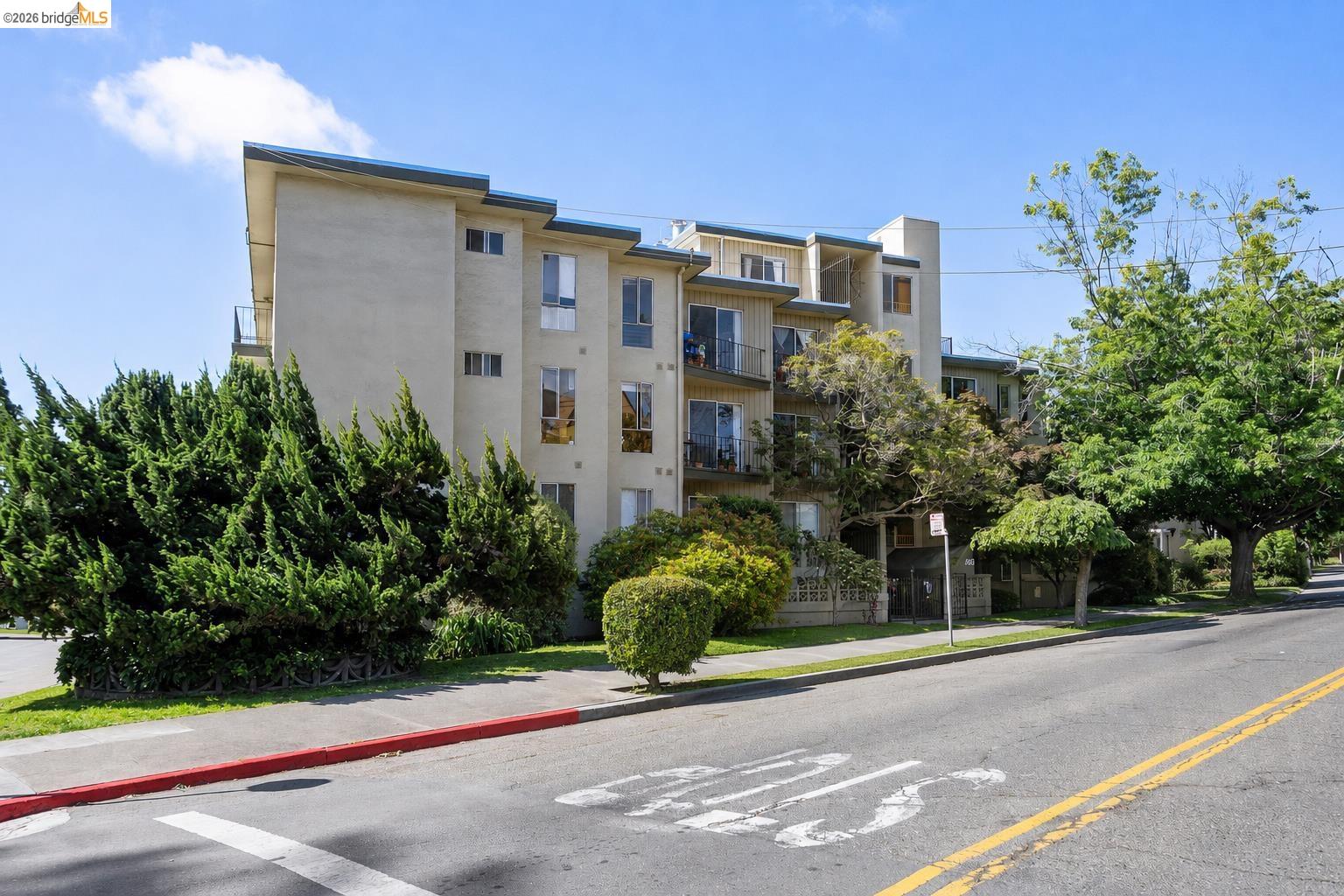
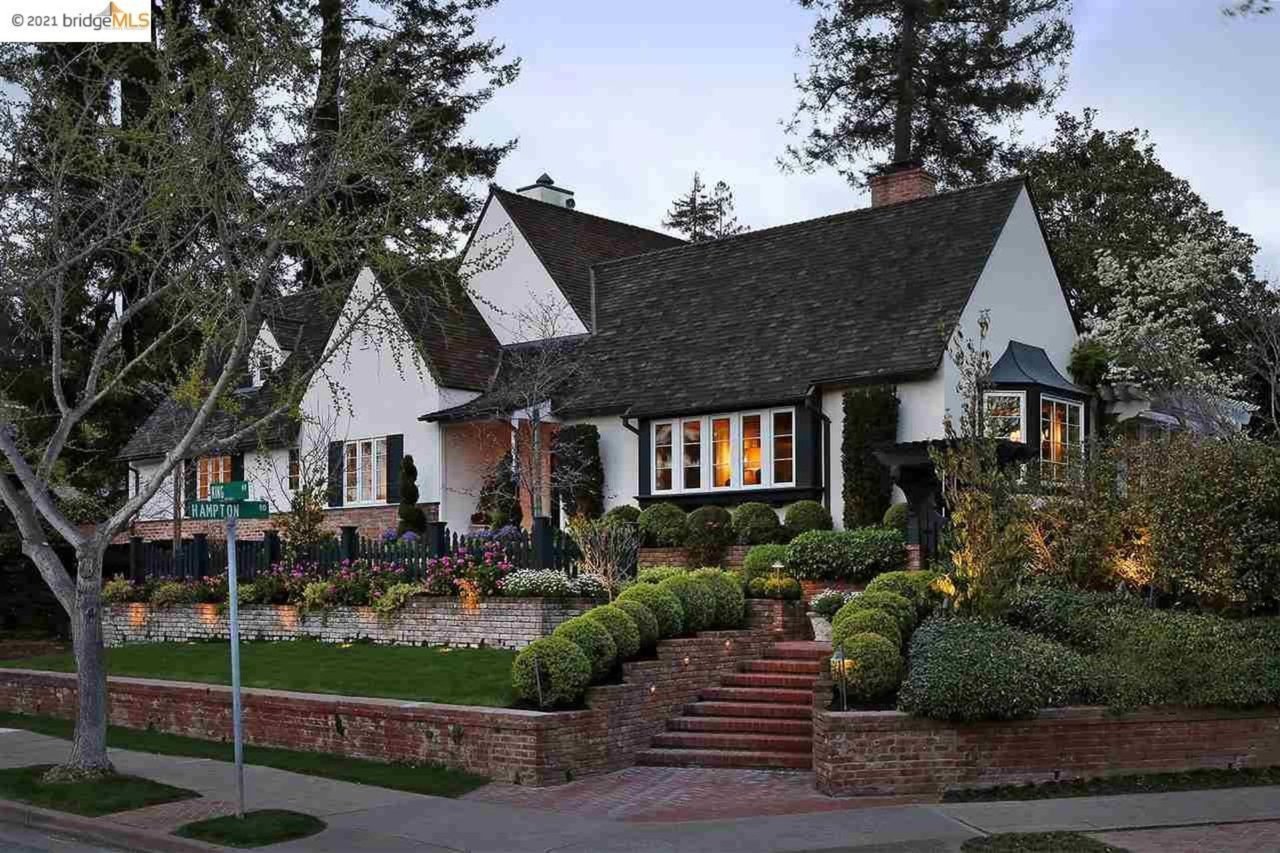
Home prices in Oakland, CA typically range from mid-six figures to well over seven figures. Condos and townhomes are generally more affordable, while single-family homes in neighborhoods like Rockridge, Montclair, and Piedmont-adjacent areas command higher prices. Fixer-upper properties and emerging neighborhoods may offer lower entry points.
Popular neighborhoods include Rockridge for walkability and dining, Temescal for culture and nightlife, Montclair for hillside living, and Jack London Square for urban waterfront condos. Buyers often choose neighborhoods based on commute access, school preferences, and lifestyle amenities rather than a single “best” area.
Oakland is often considered attractive for real estate investment due to long-term demand, rental activity, and proximity to San Francisco and Silicon Valley. Investors frequently explore multi-family properties, long-term rentals, and value-add opportunities, while carefully evaluating local regulations and operating costs.
Oakland has a strong rental market supported by professionals, students, and commuters. Rental demand is consistent across many neighborhoods, though pricing and tenant turnover vary. Long-term rentals are common, and investors should be aware of local rent control policies and tenant protection laws.
Oakland real estate is generally less expensive and slightly less competitive than San Francisco, but more competitive than many East Bay suburbs. Desirable homes in prime neighborhoods can still receive multiple offers, particularly when priced well and located near BART or major corridors.
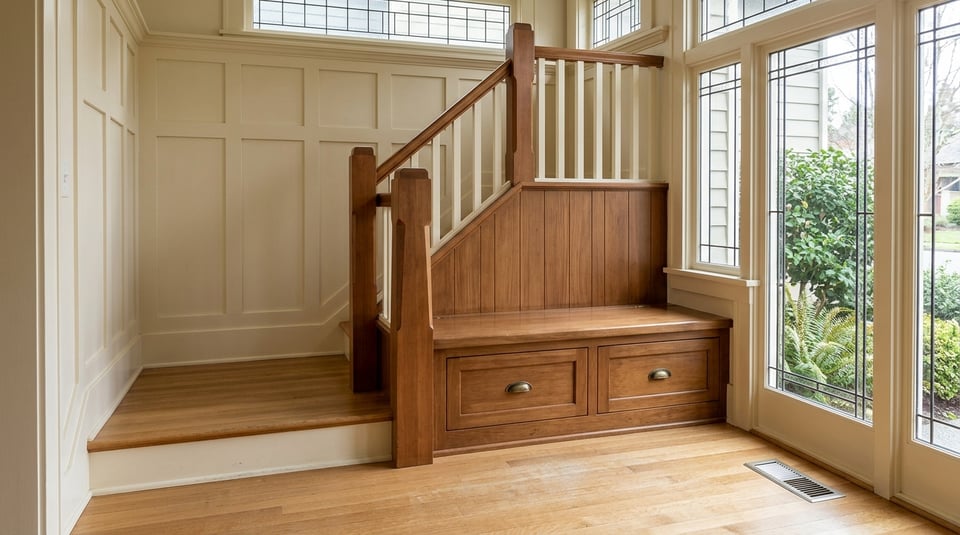
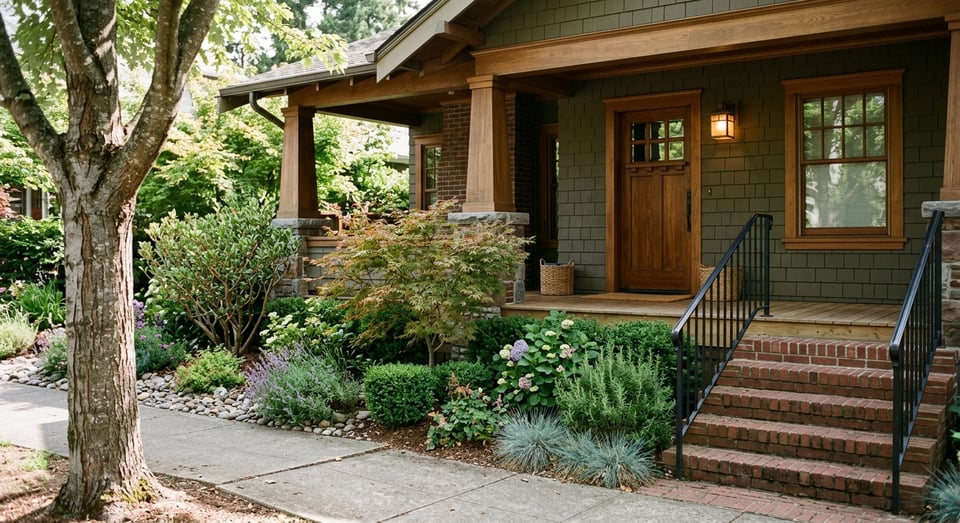
Oakland’s housing stock includes Craftsman and Victorian single-family homes, mid-century properties, condominiums, townhomes, and multi-family buildings. Many buyers are drawn to Oakland for its architectural variety and the opportunity to own detached homes closer to urban centers.
Access to BART stations, major freeways, and ferry services significantly influences Oakland home values. Properties near transit hubs such as Rockridge, Fruitvale, and Downtown Oakland often attract commuters and renters, supporting both resale value and rental demand.
In addition to standard California property taxes, Oakland homeowners should consider transfer taxes, insurance costs, and potential maintenance expenses—especially for older homes. Buyers often factor these costs into affordability alongside mortgage payments.
Buyers should evaluate neighborhood trends, school options, commute patterns, and long-term plans before purchasing. Oakland’s diverse micro-markets mean that values, rental potential, and lifestyle can vary significantly within short distances, making localized research essential.