
```
Browse listings and housing market trends.
What is the housing market like in Piedmont today? In October 2025, Piedmont home prices were up 22.6% compared to last year, selling for a median price of $2.8M. On average, homes in Piedmont sell after 13 days on the market compared to 14 days last year. There were 14 homes sold in October this year, down from 16 last year.
Median Sale Price
# of Homes Sold
Median Days on Market
Piedmont, CA Real Estate
Elegant homes, top-tier schools, and a close-knit residential community
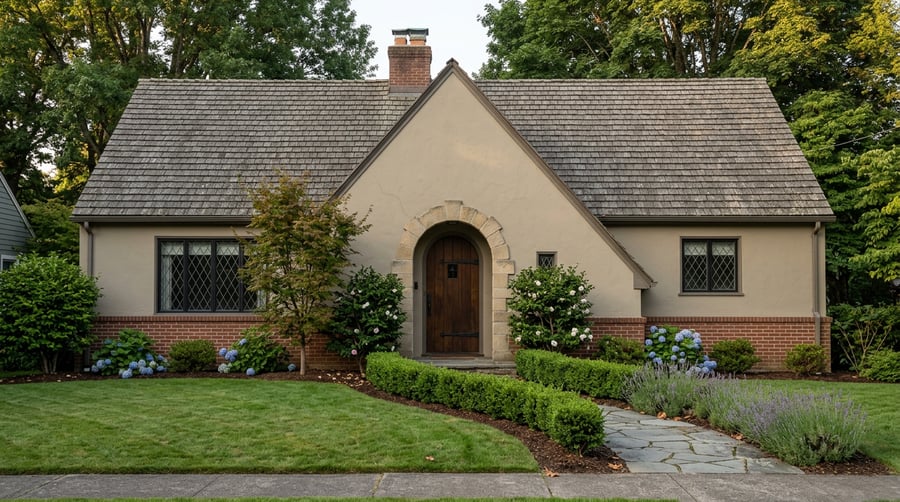
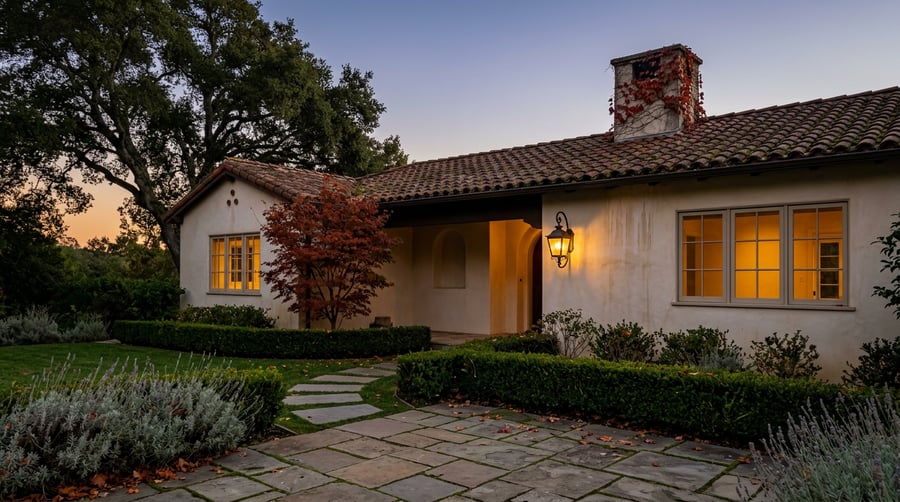
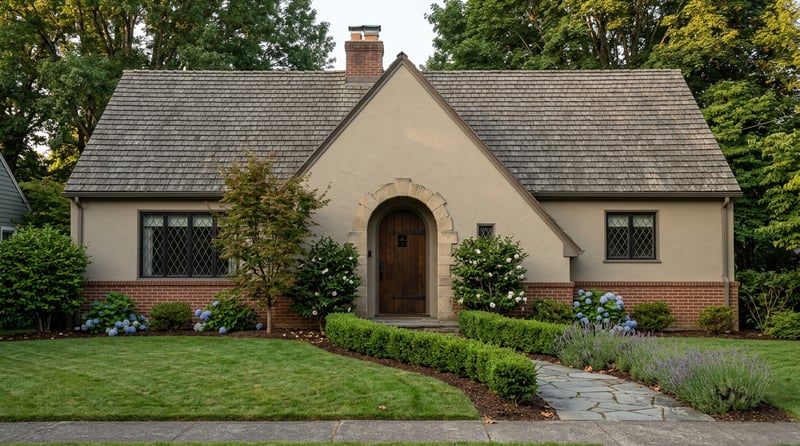
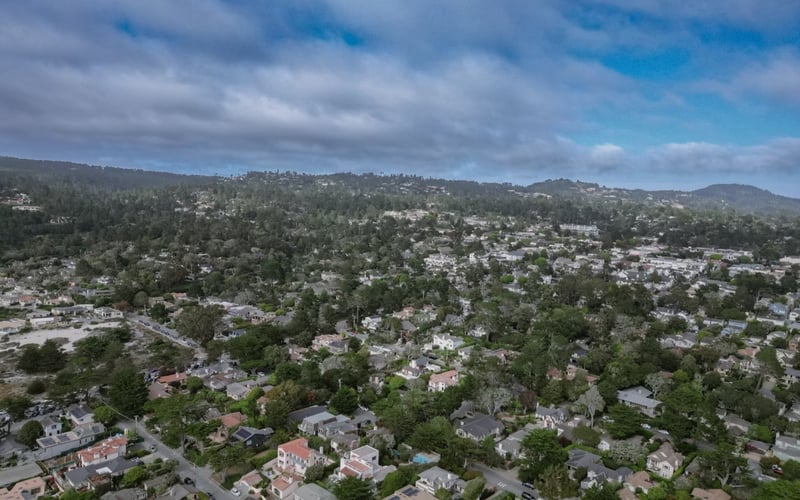
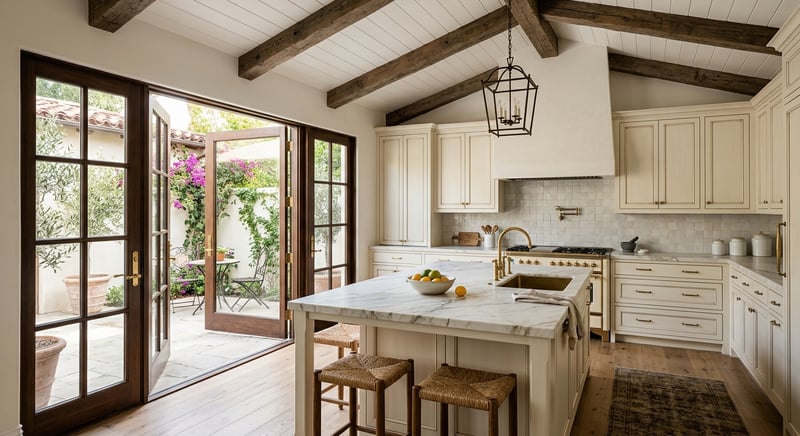
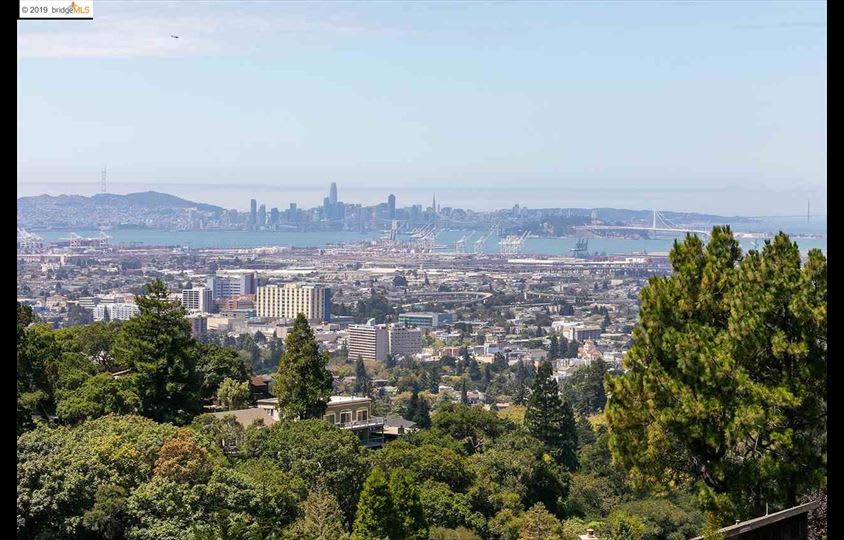
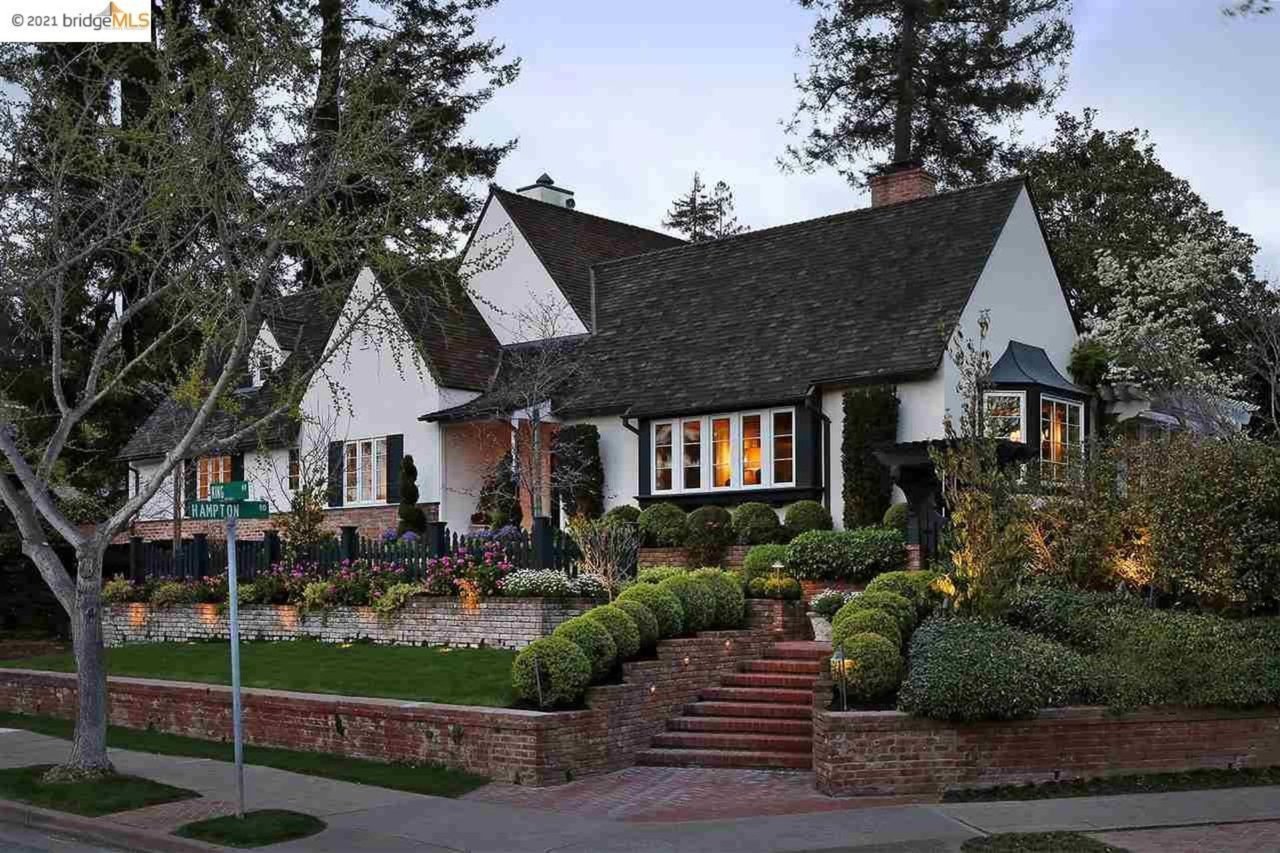
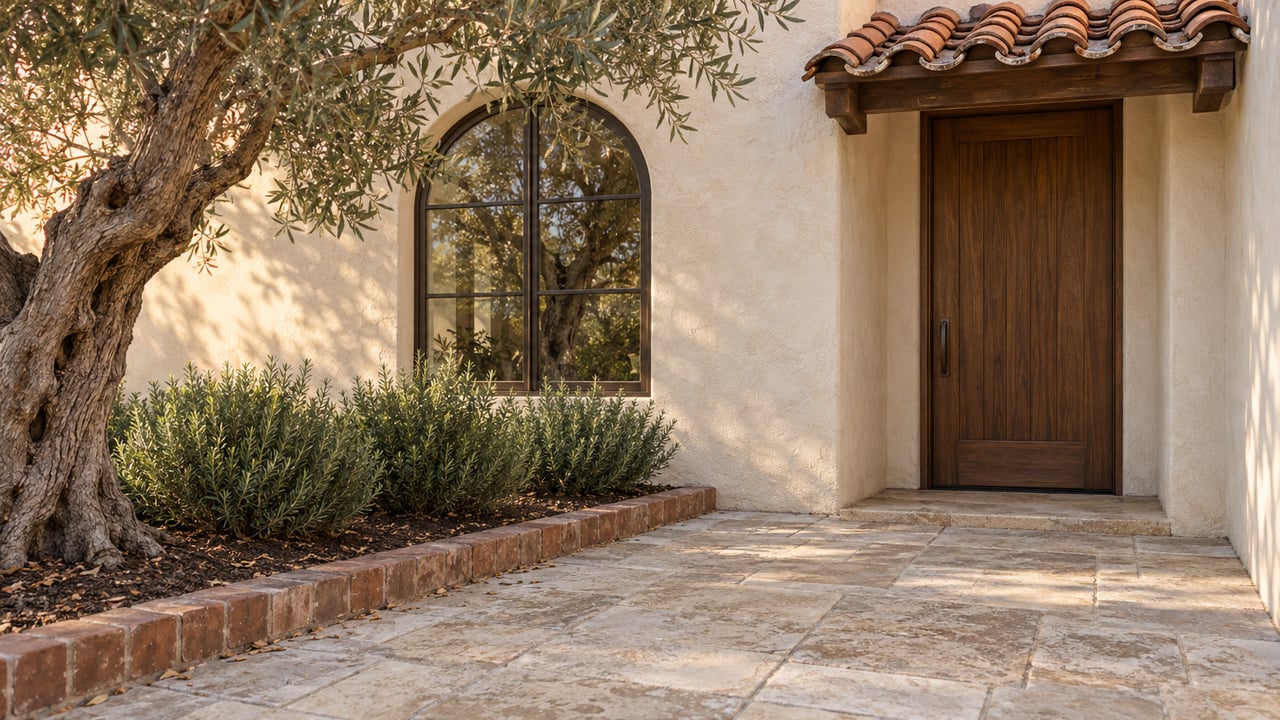
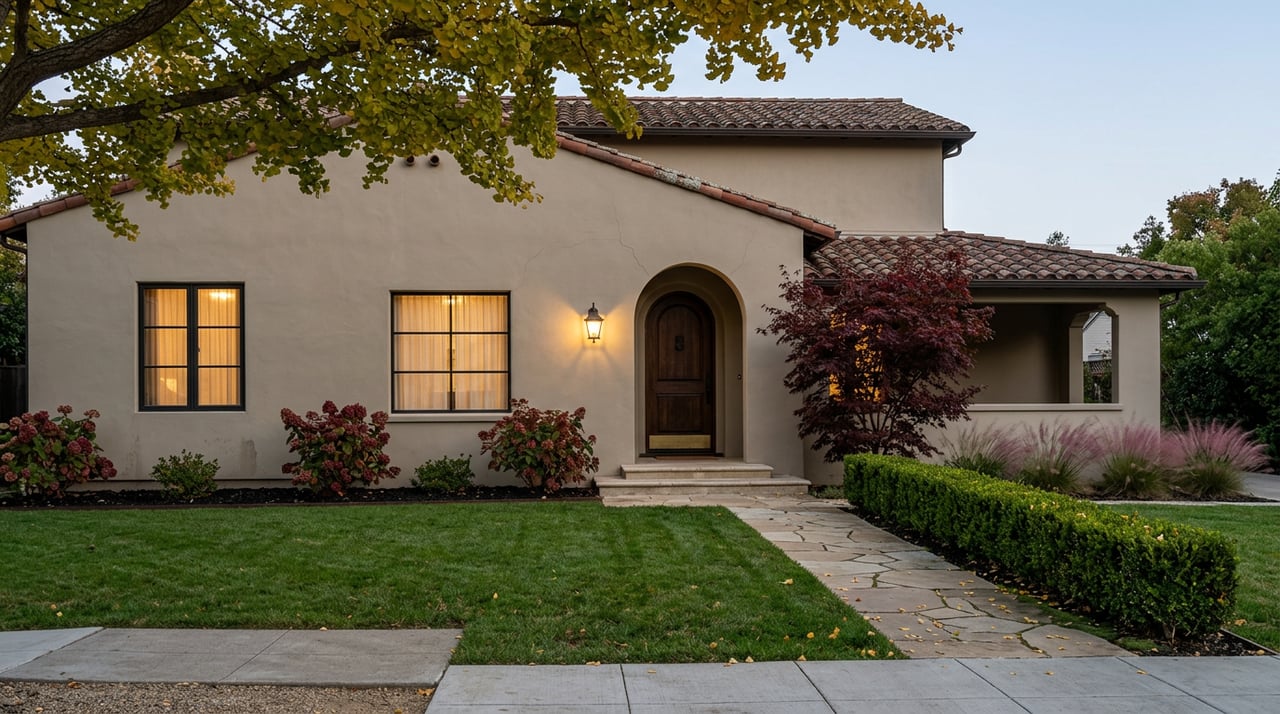
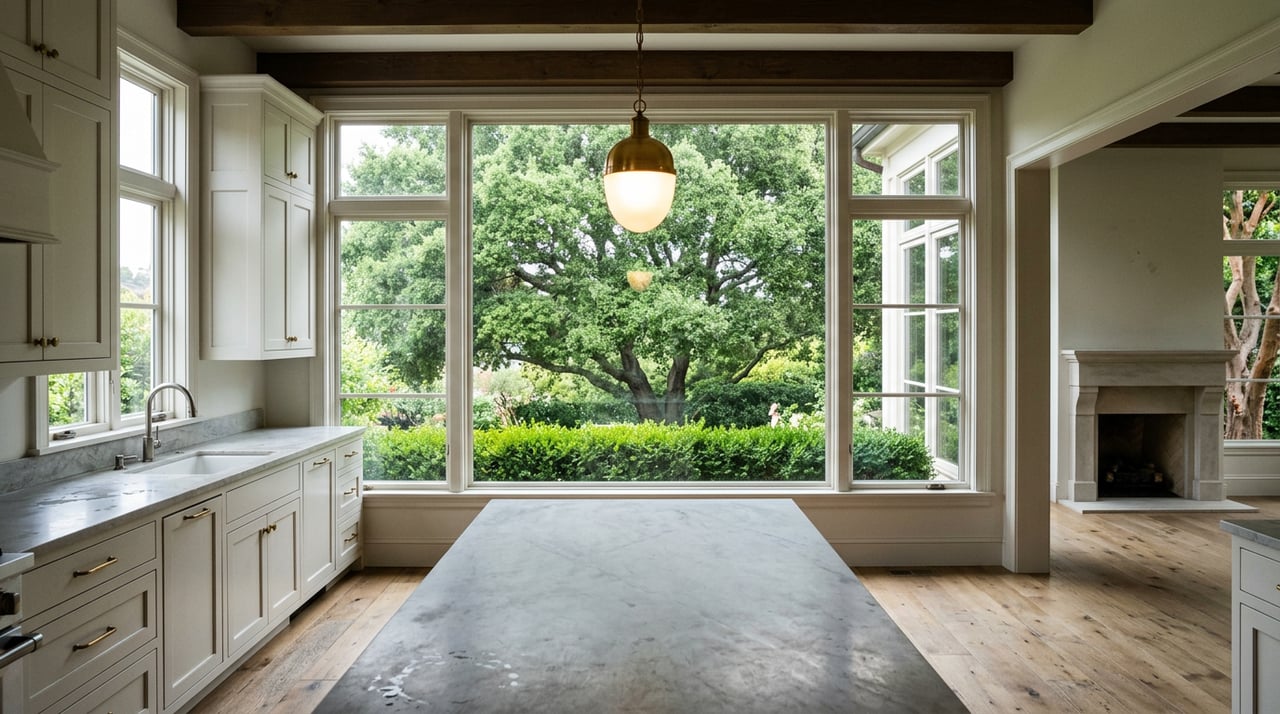
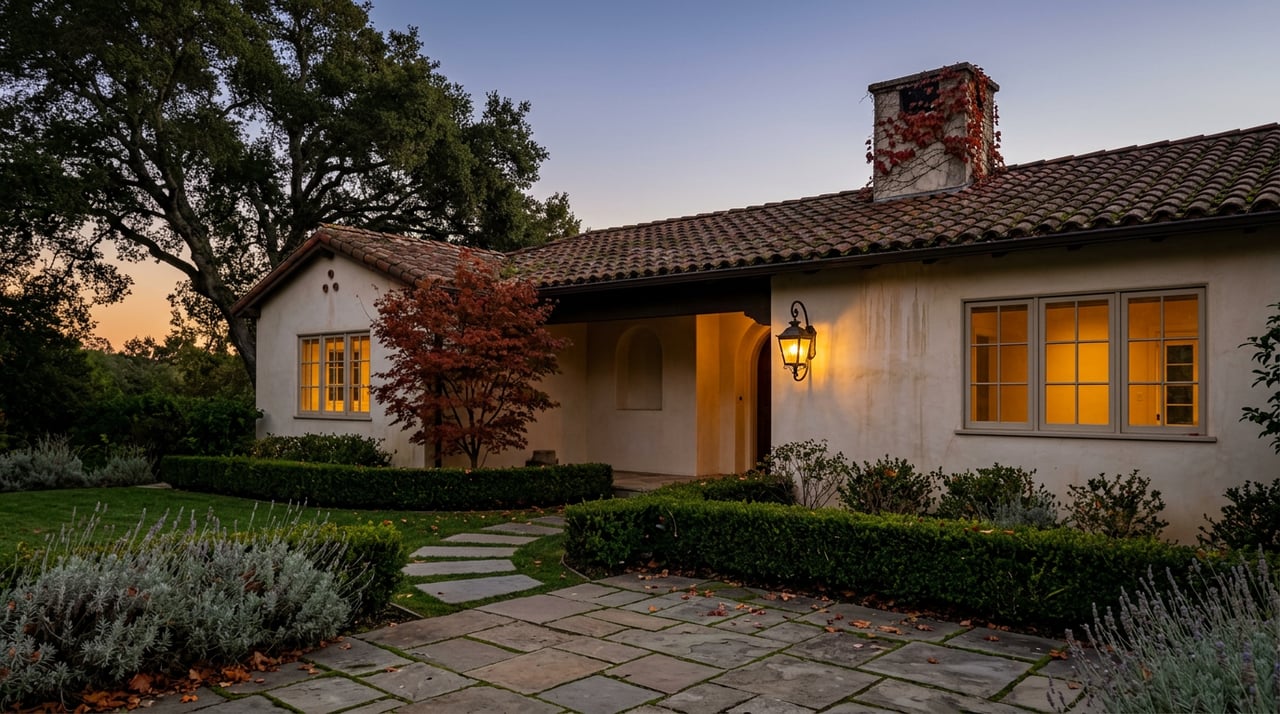
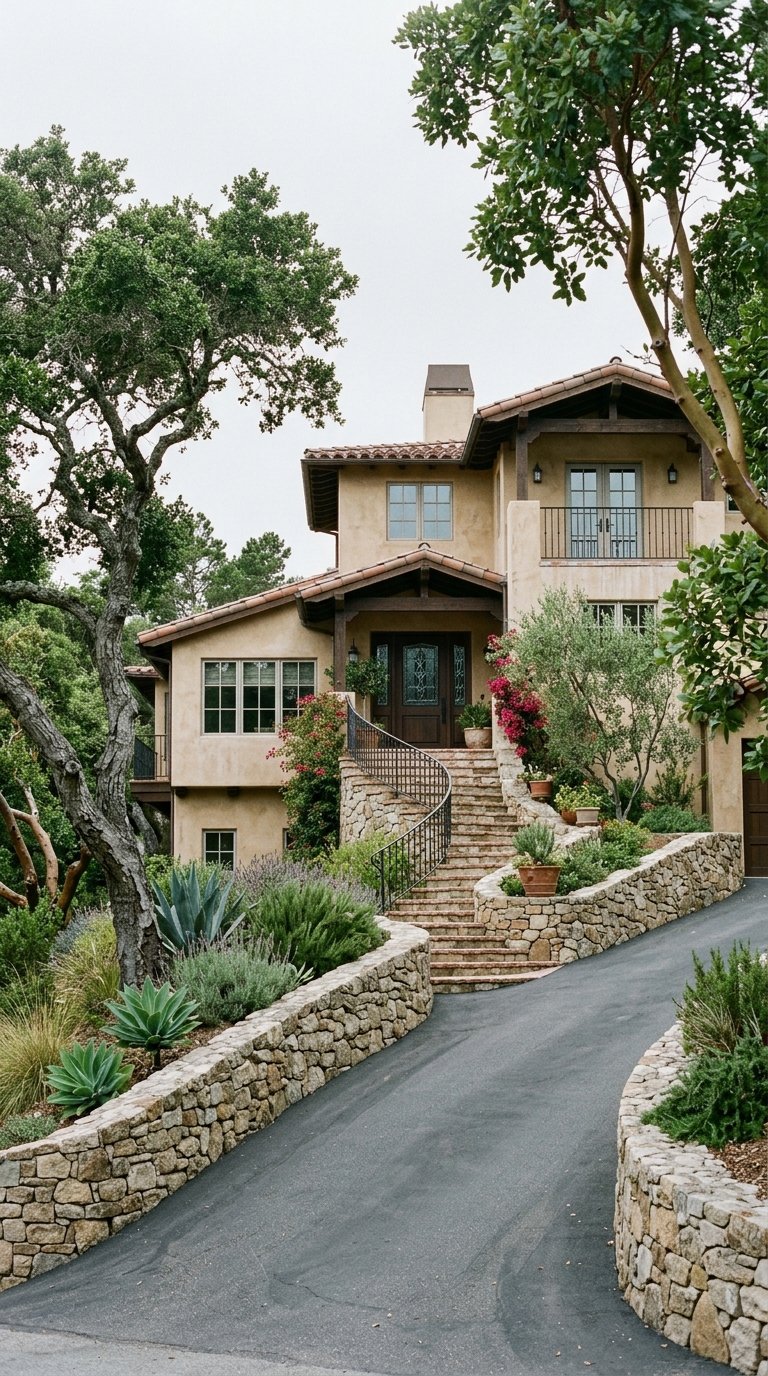
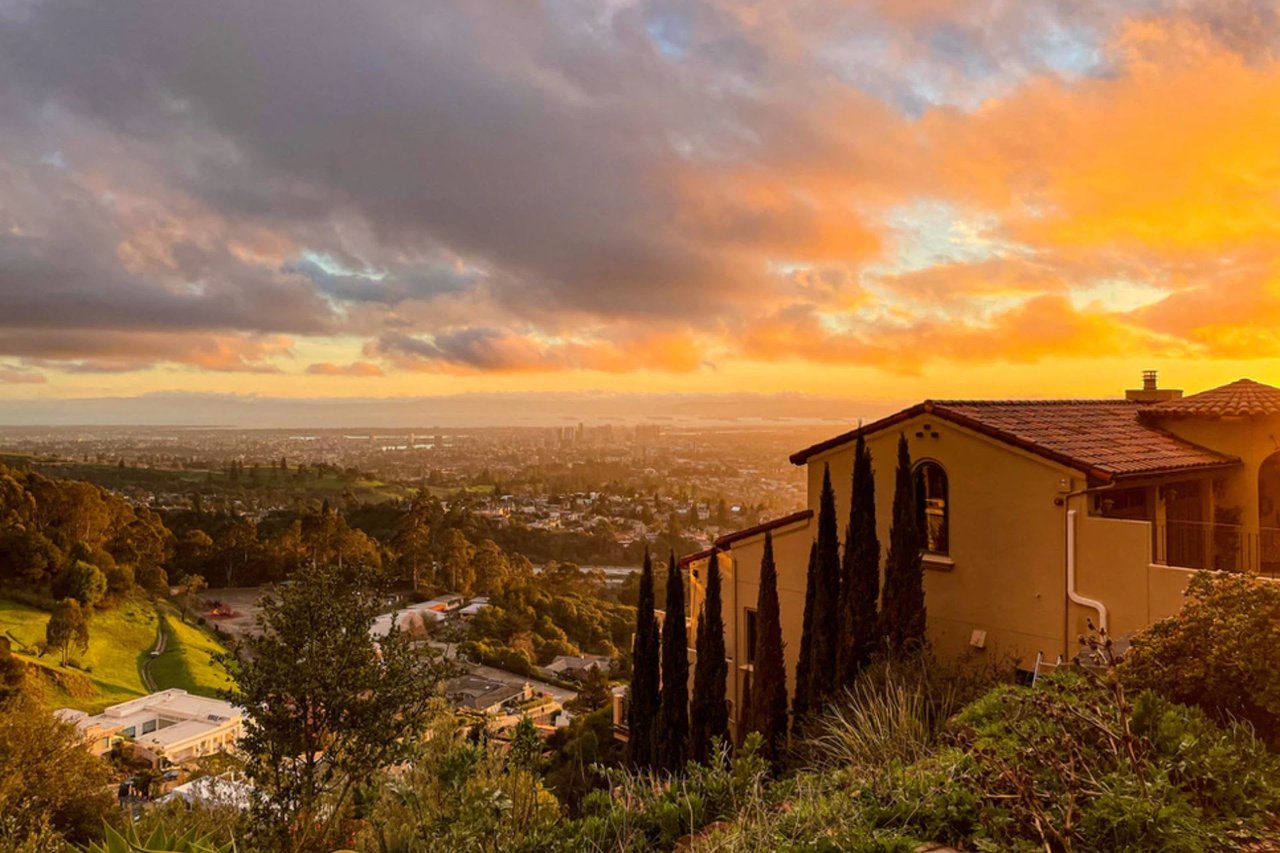
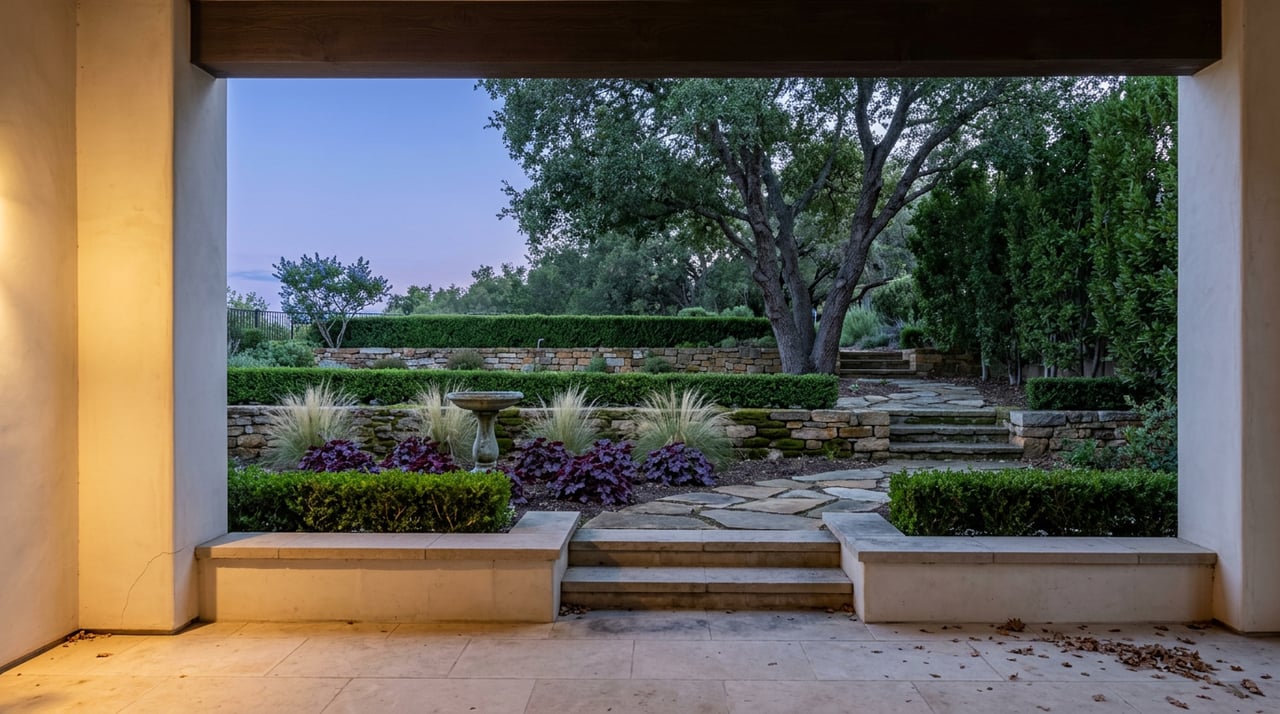
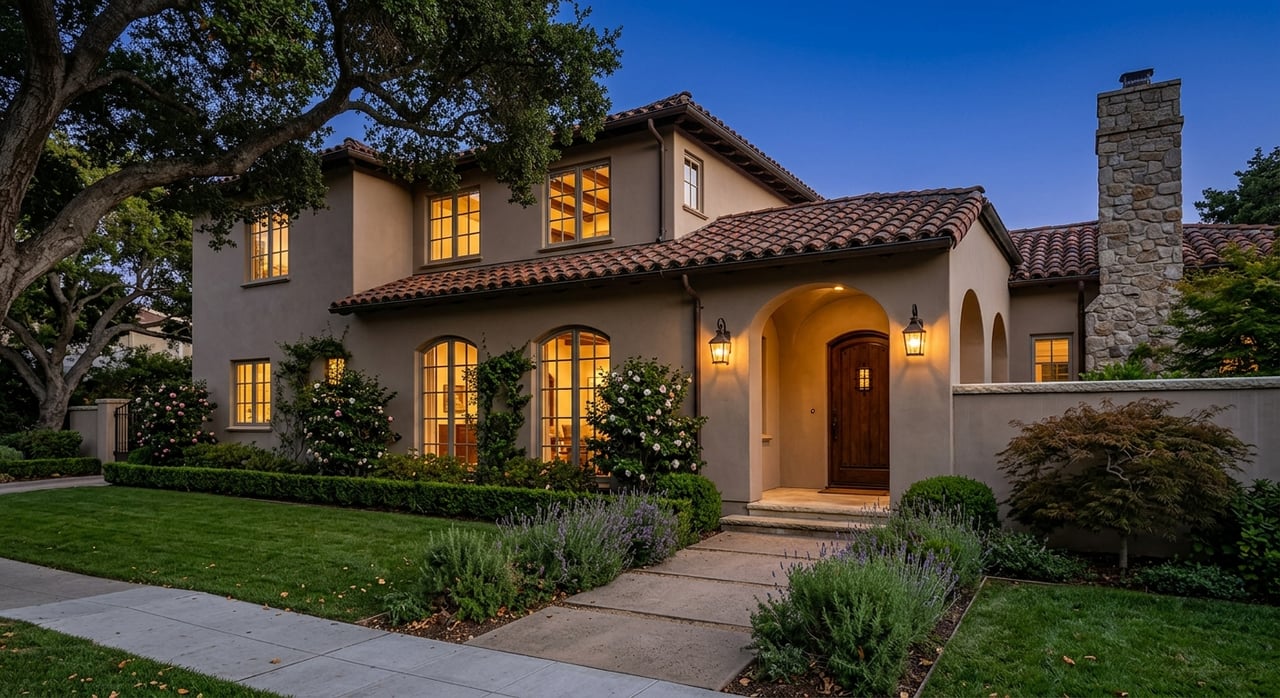
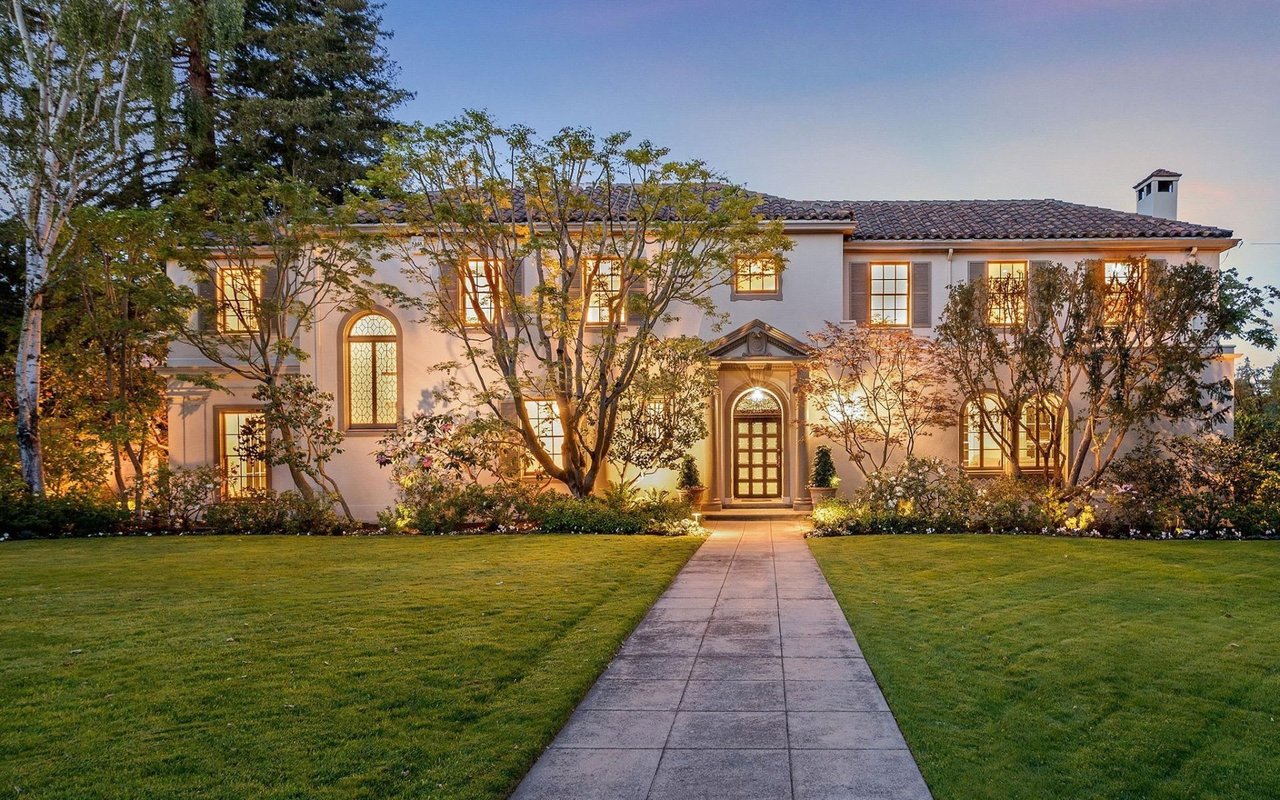
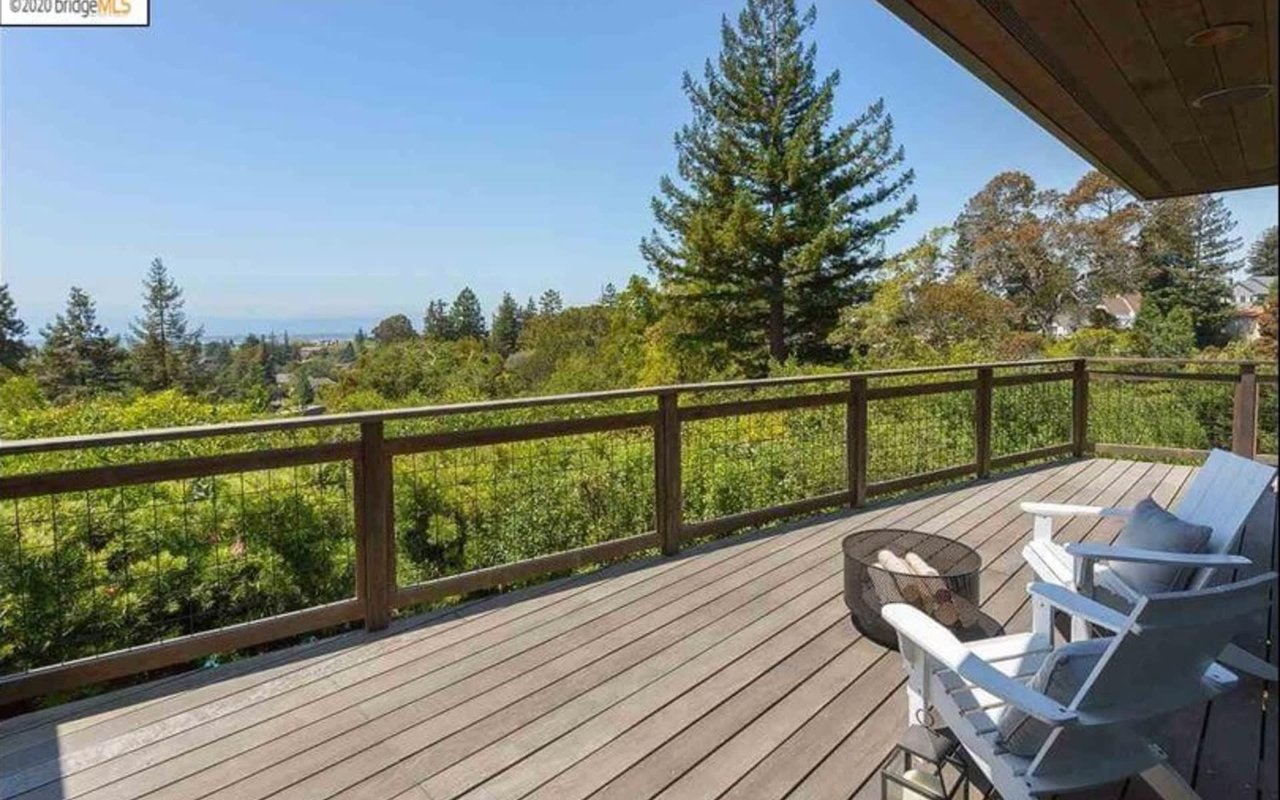
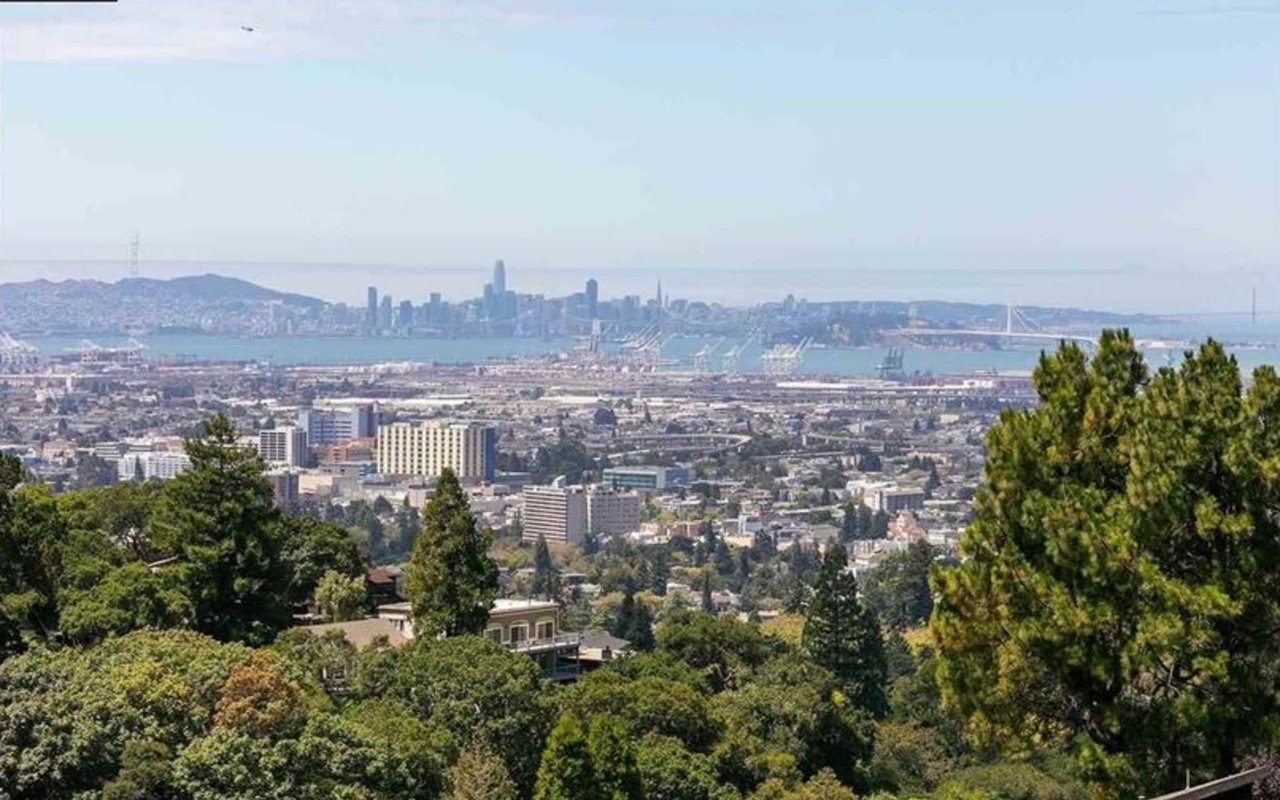
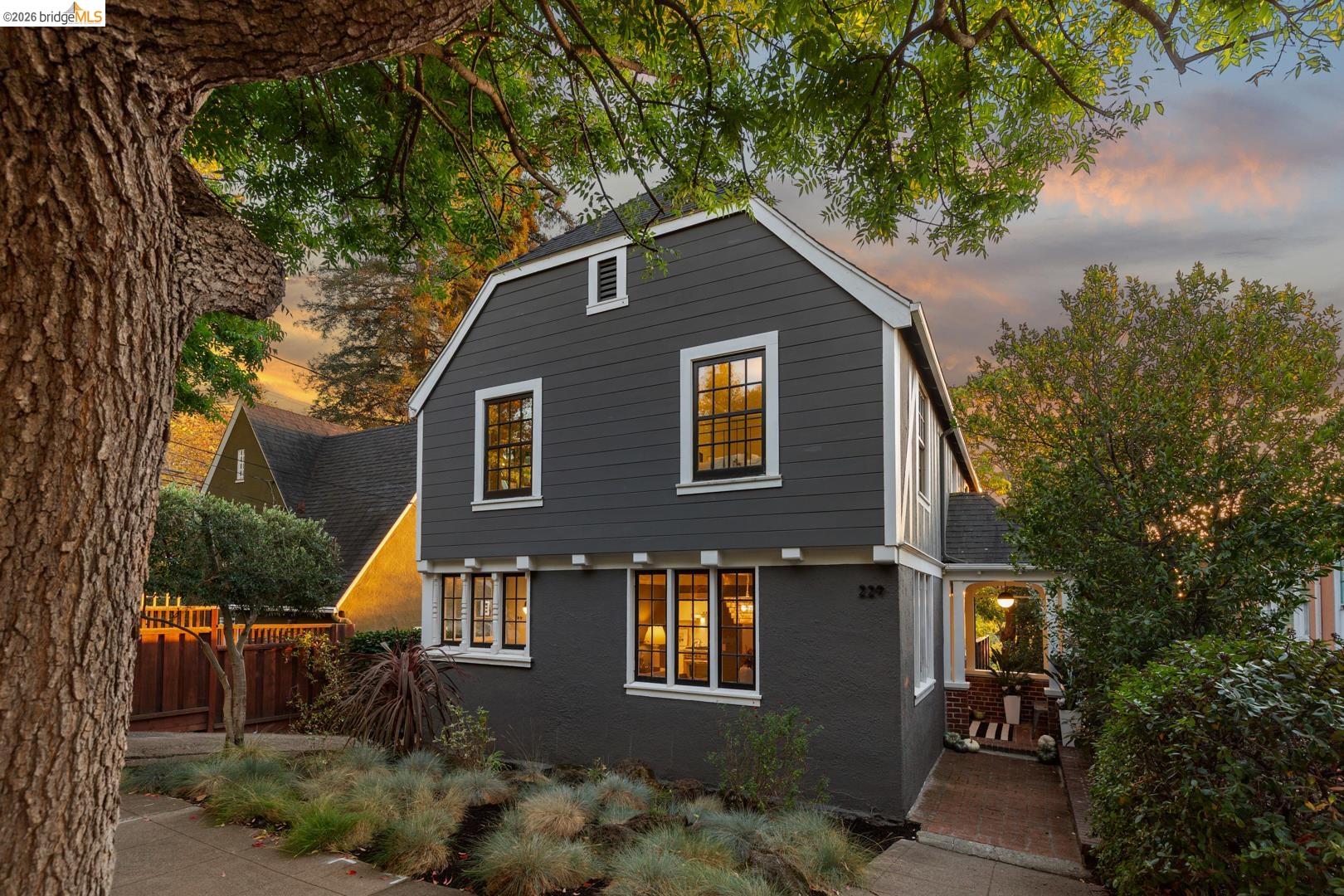
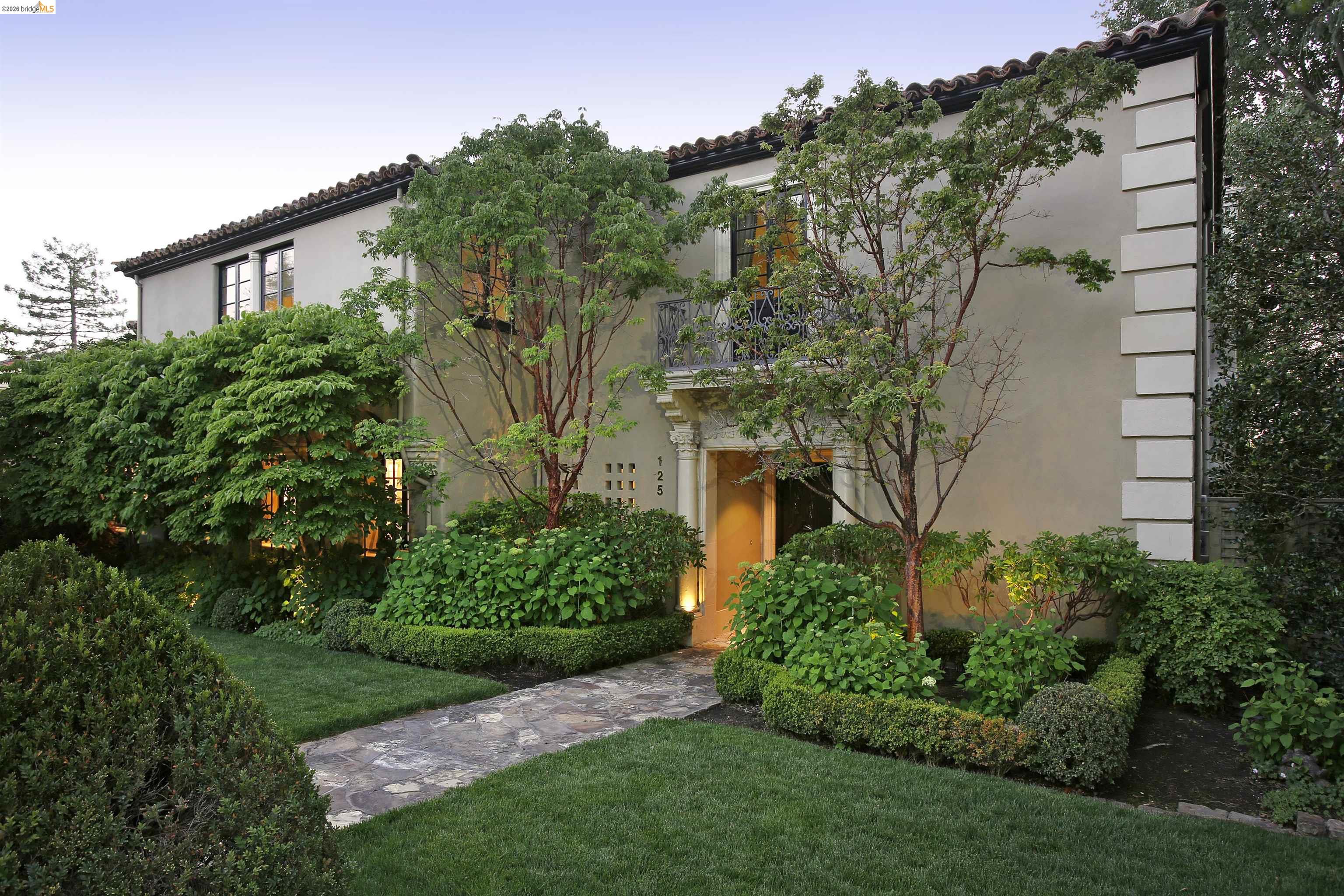
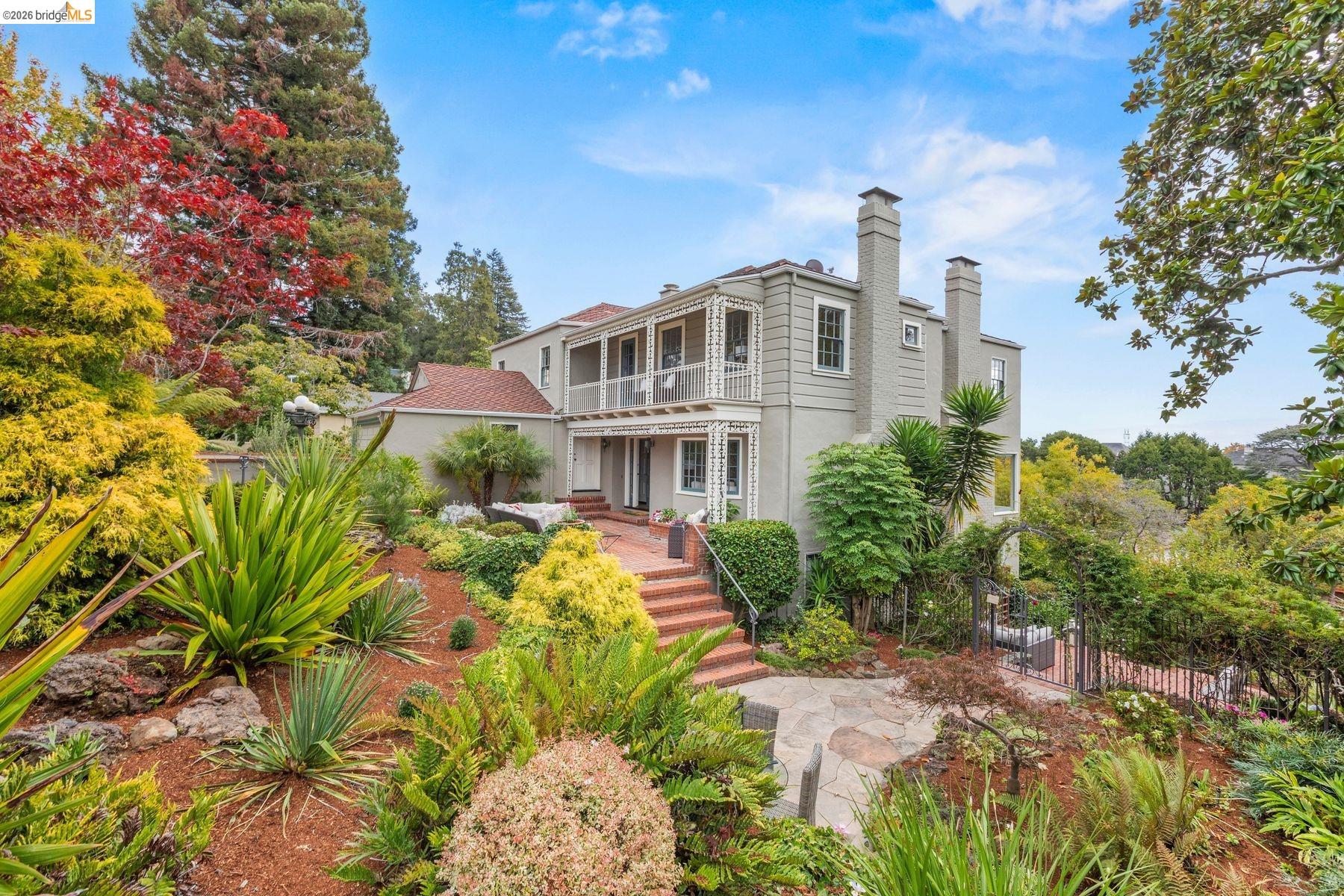
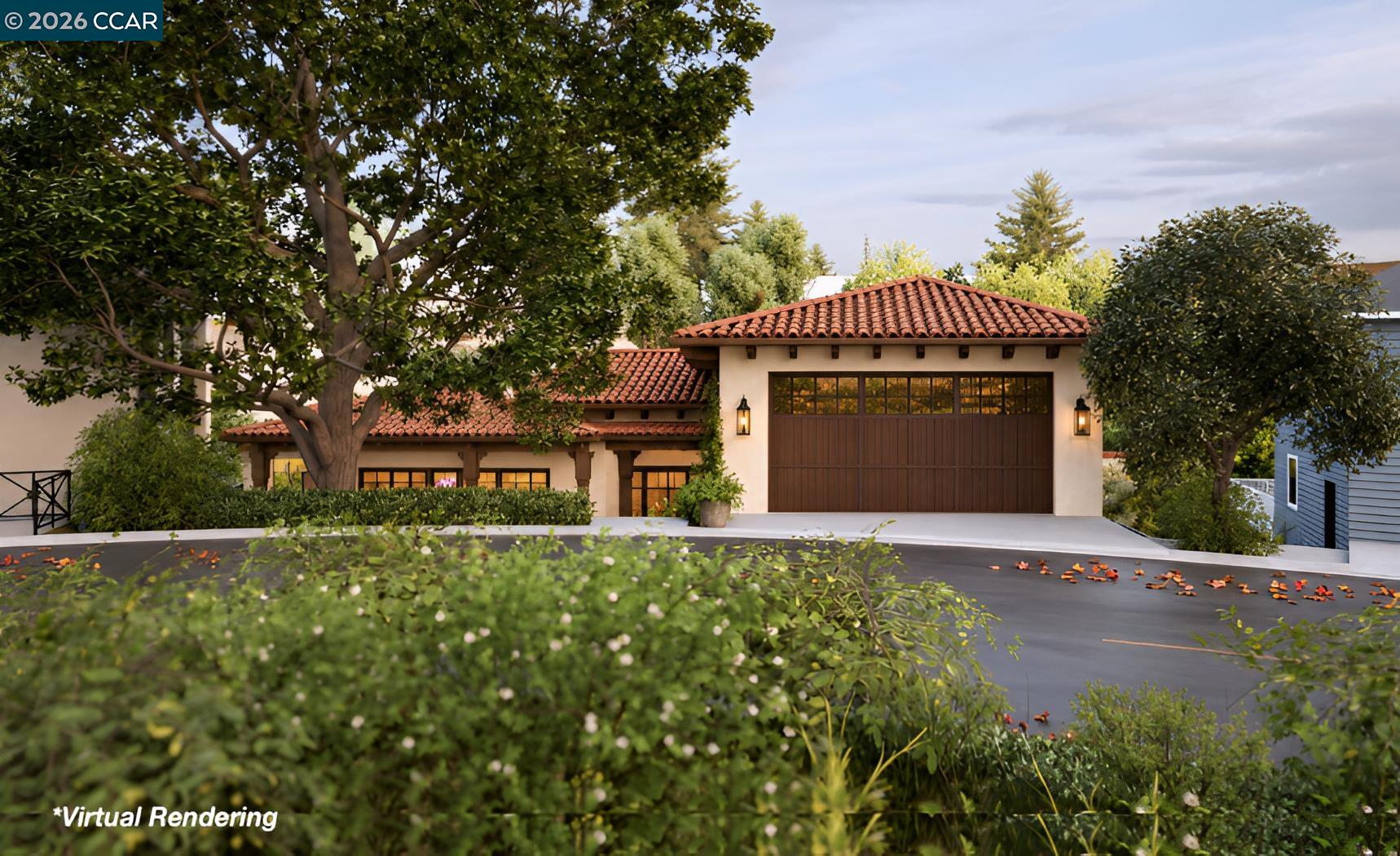
Piedmont real estate is defined by stately architecture, quiet streets, and a strong sense of neighborhood continuity. Tucked within Oakland yet operating as its own city, Piedmont offers grand Tudors, Mediterranean estates, and thoughtfully updated traditional homes on landscaped lots. Many properties feature expansive floor plans, mature trees, and hillside views, creating a residential setting that feels removed from the pace of the surrounding Bay Area while remaining minutes from major commute routes.
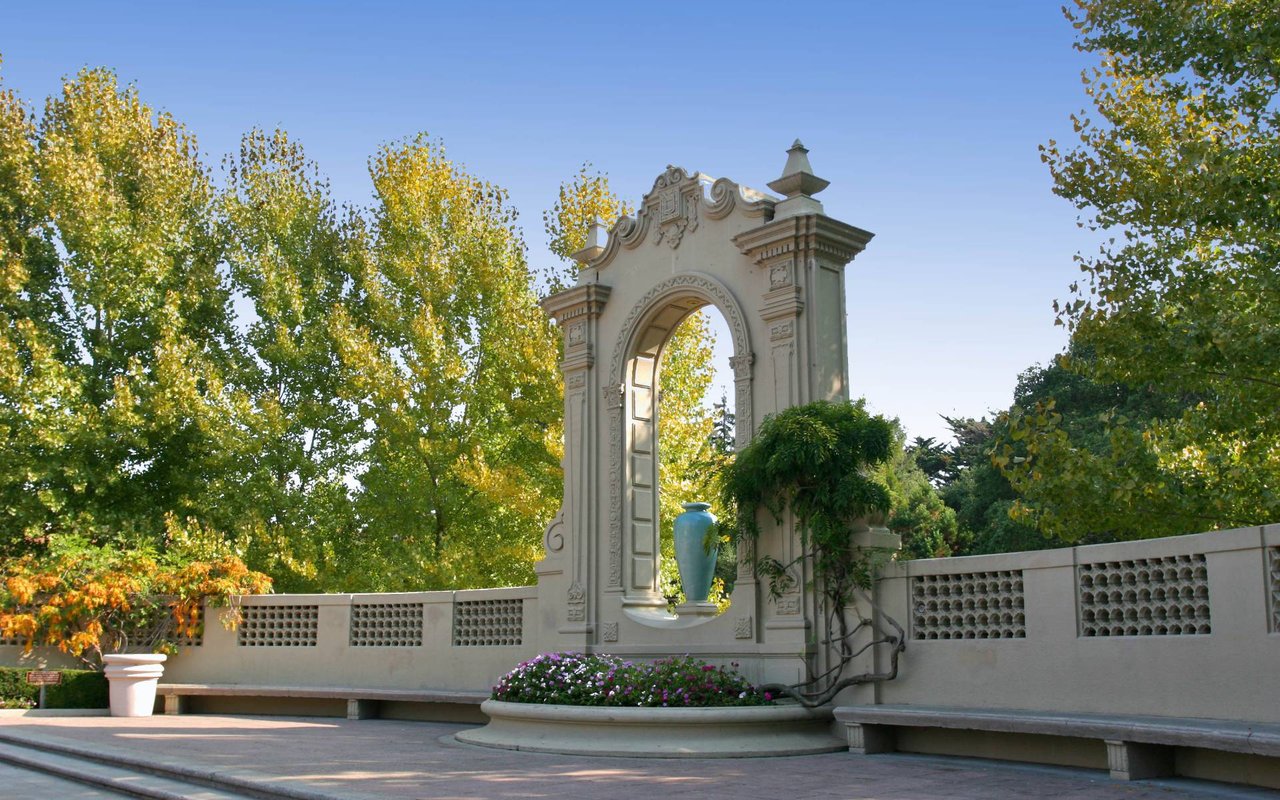
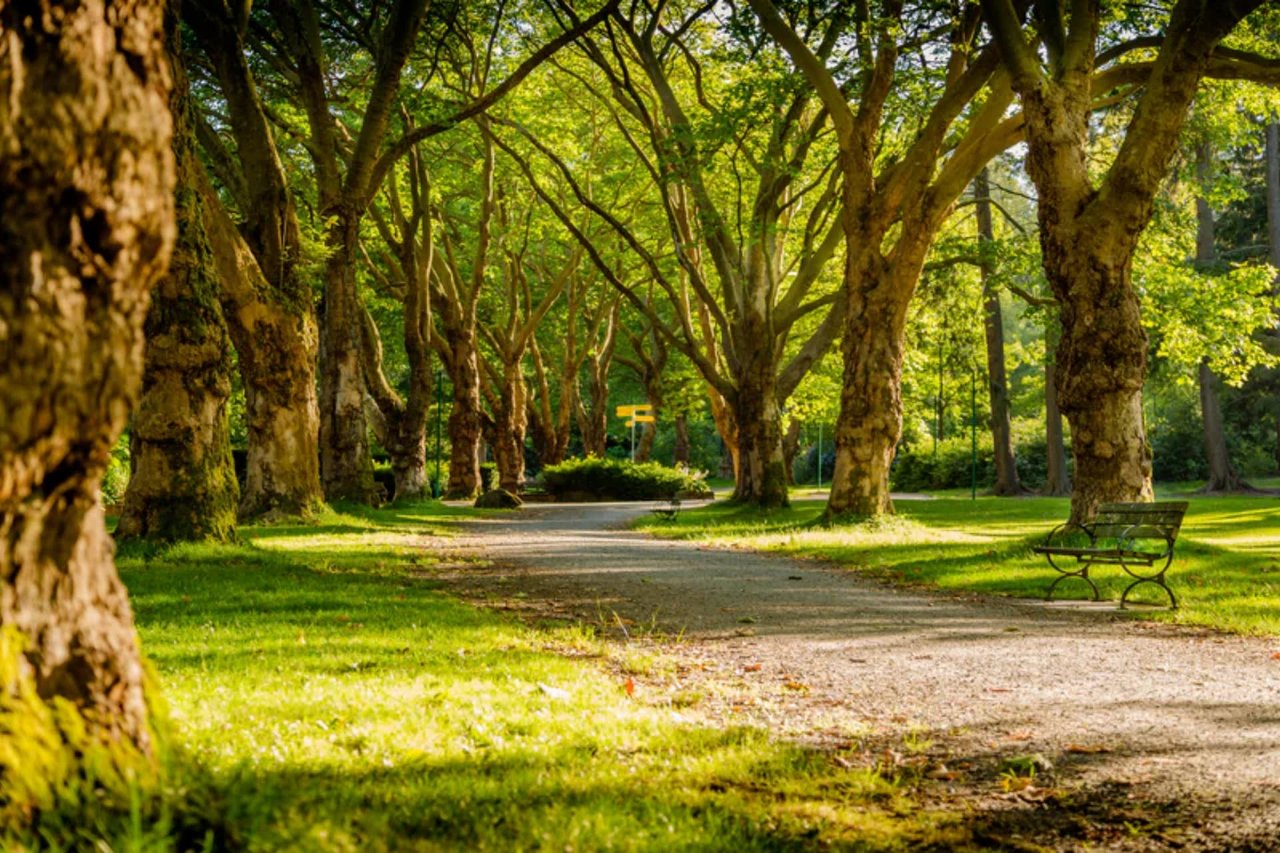
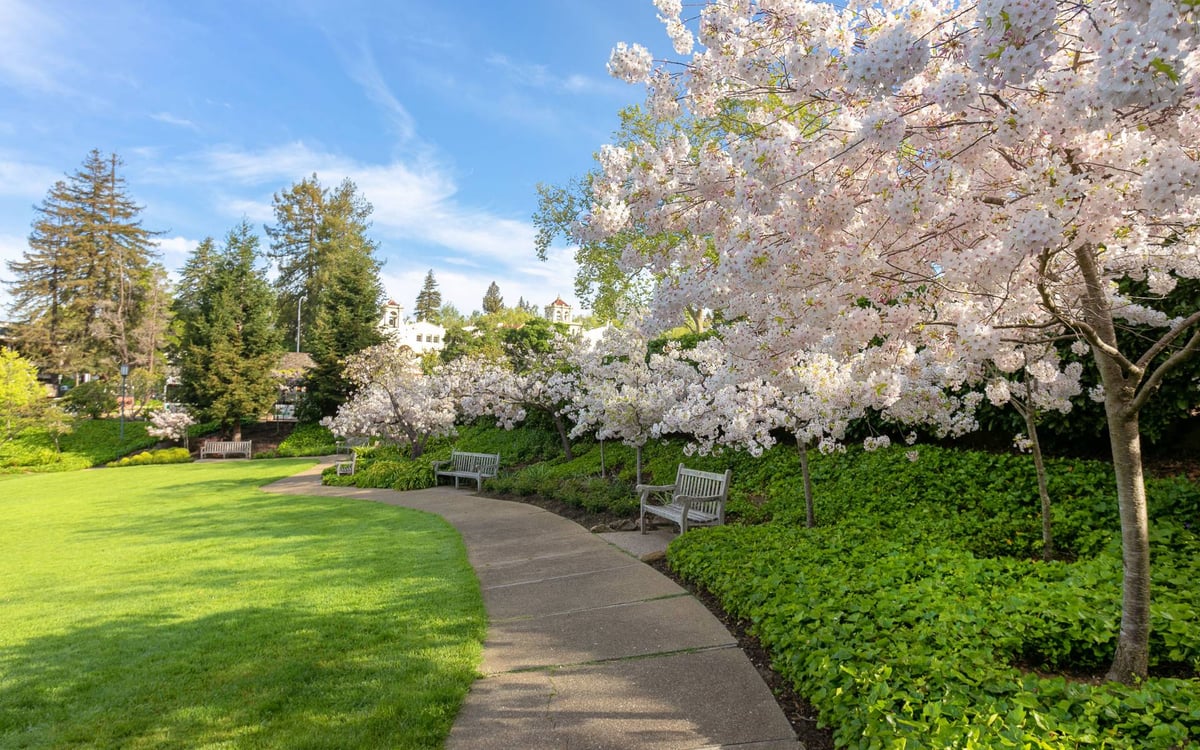
Daily life in Piedmont centers on community and education. The city is known for its highly regarded public schools, active recreation programs, and local landmarks such as Piedmont Park and the Community Center. Residents value the walkability to schools and parks, neighborhood events, and the overall residential character that has been carefully preserved over time. For buyers prioritizing privacy, architectural quality, and long-term value in the East Bay, Piedmont holds a distinct position in the market.
Piedmont is one of the Bay Area's most sought-after residential communities, known for its exceptional schools, beautiful architecture, and tight-knit neighborhood feel. These frequently asked questions will help you understand what makes Piedmont's real estate market unique.
Piedmont is known for top-rated public schools, quiet residential neighborhoods, tree-lined streets, and proximity to Oakland, Berkeley, and San Francisco. Many buyers choose Piedmont for its strong sense of community and well-maintained parks.
Piedmont is one of the East Bay’s most competitive markets, with low inventory and strong buyer demand. Homes often receive multiple offers due to limited housing stock and high desirability.
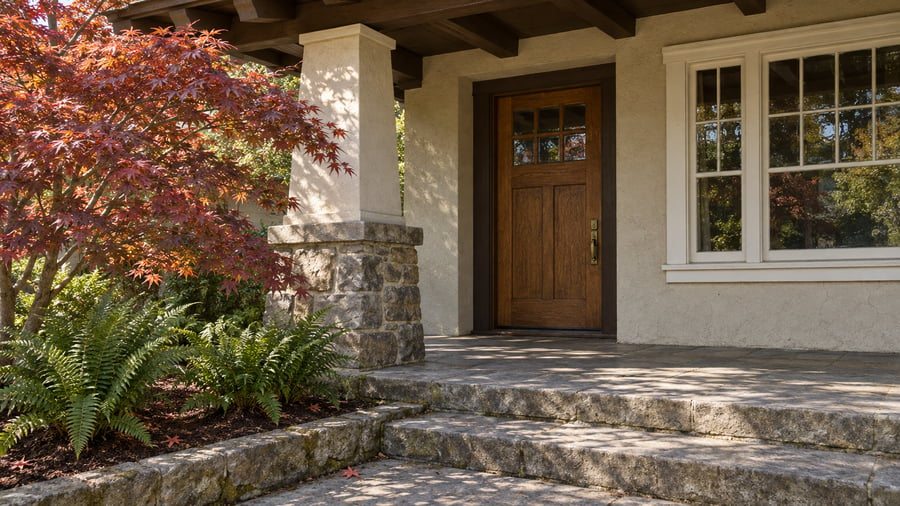
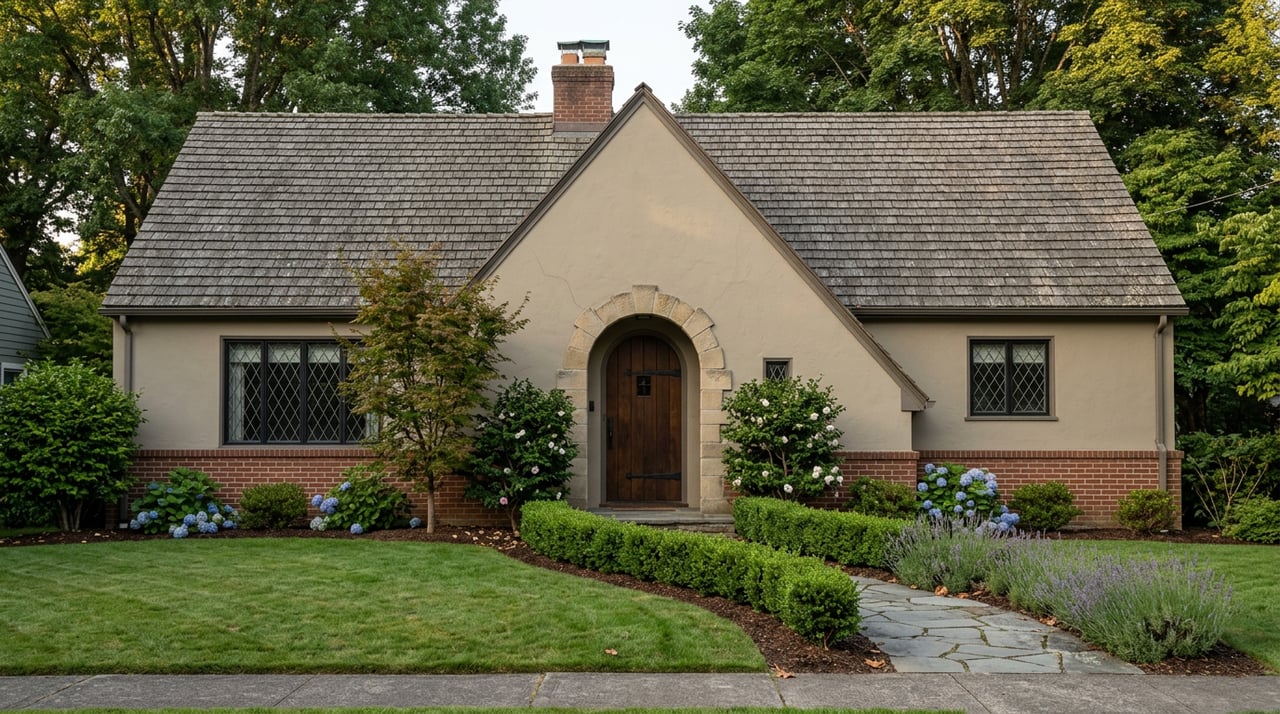
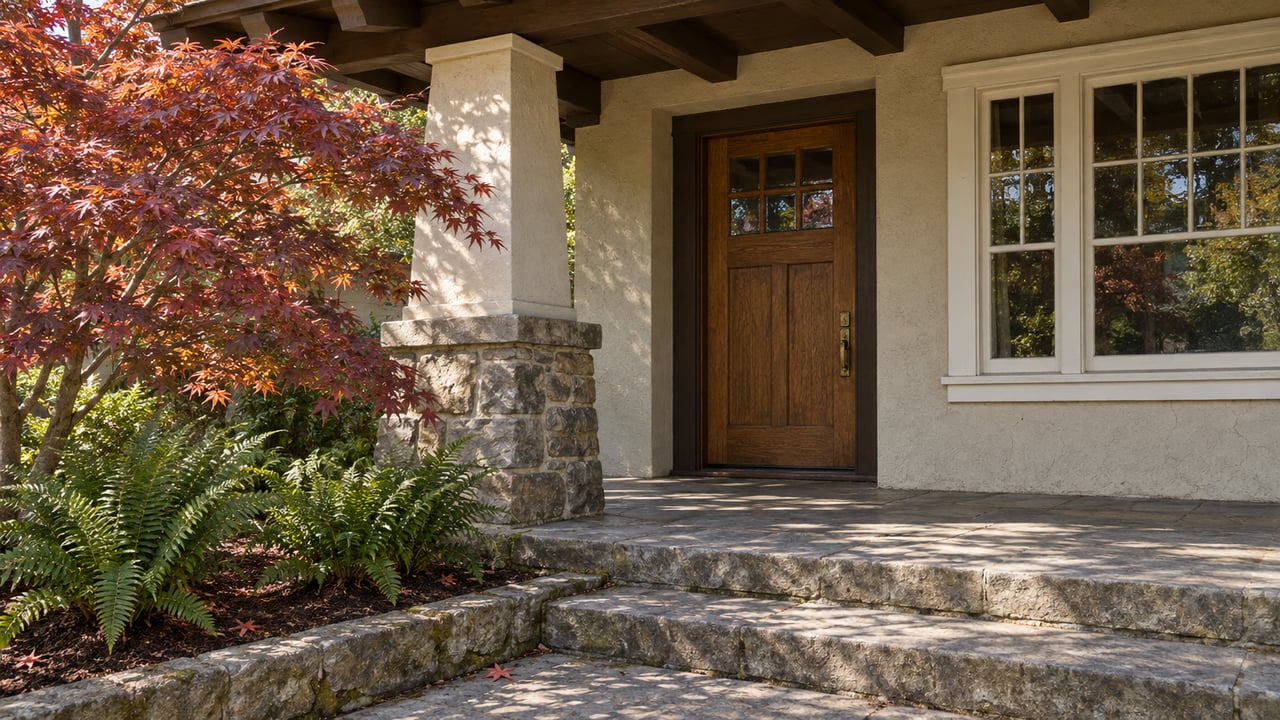
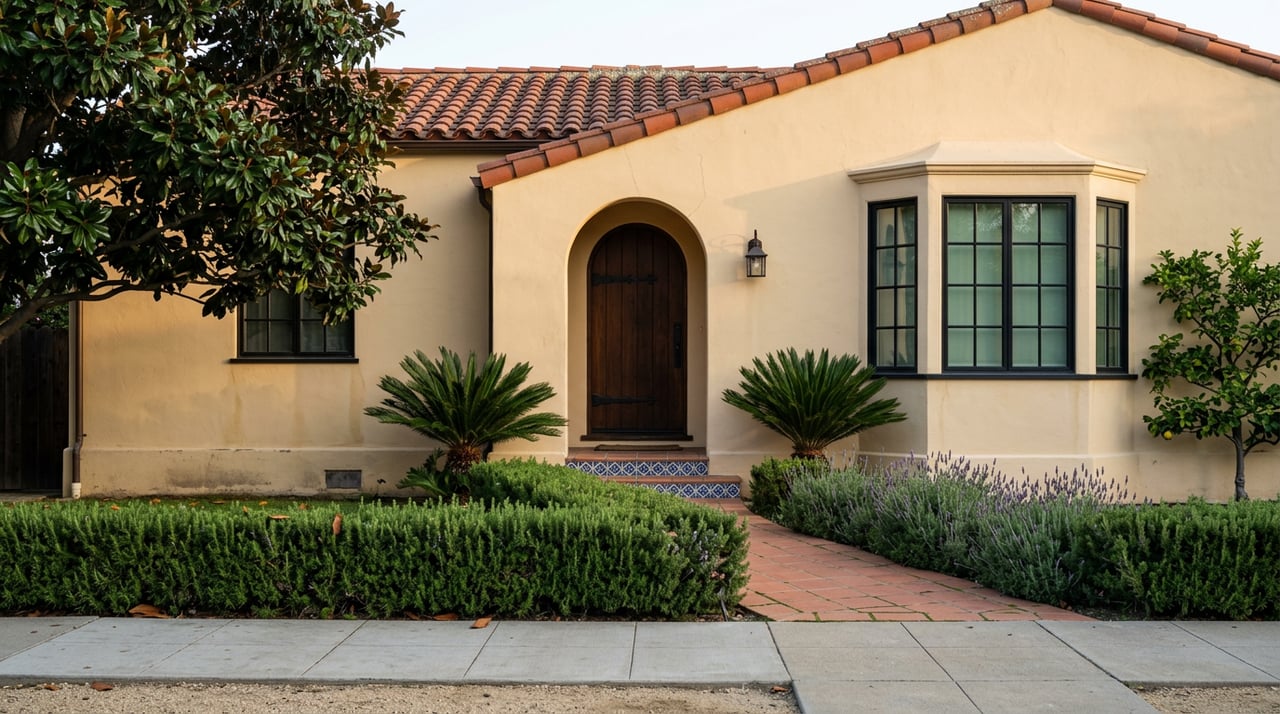
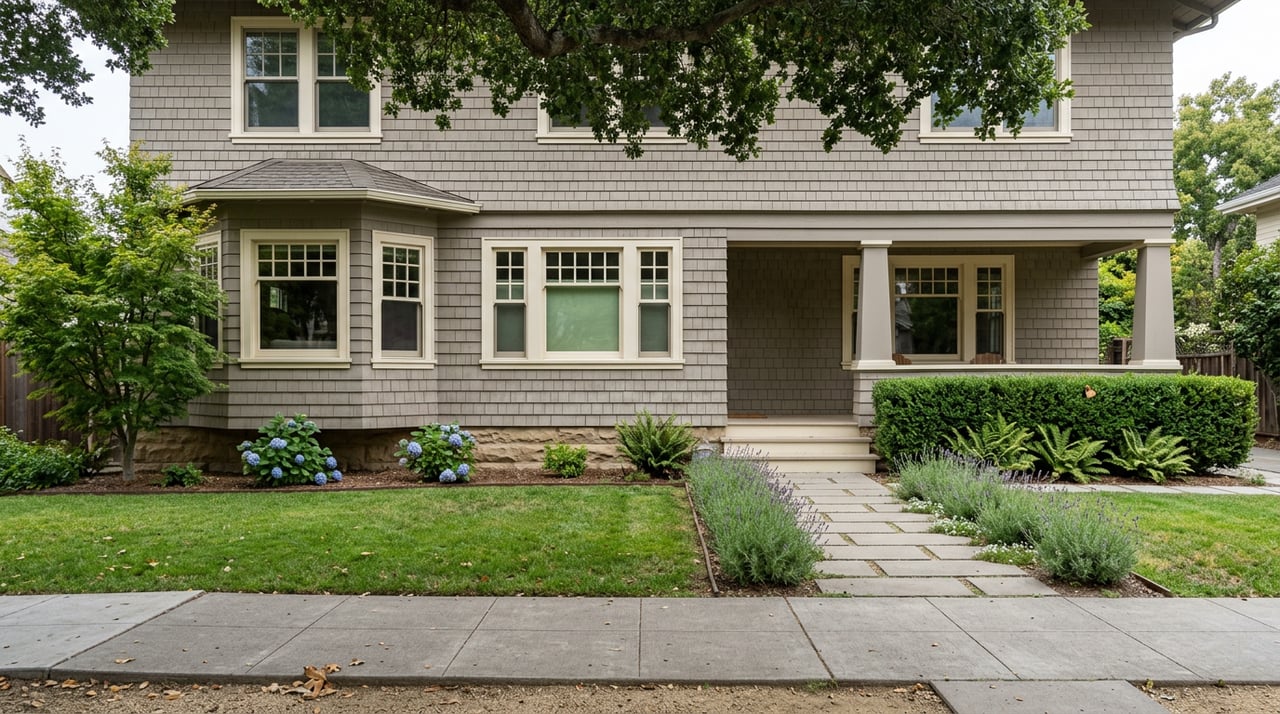
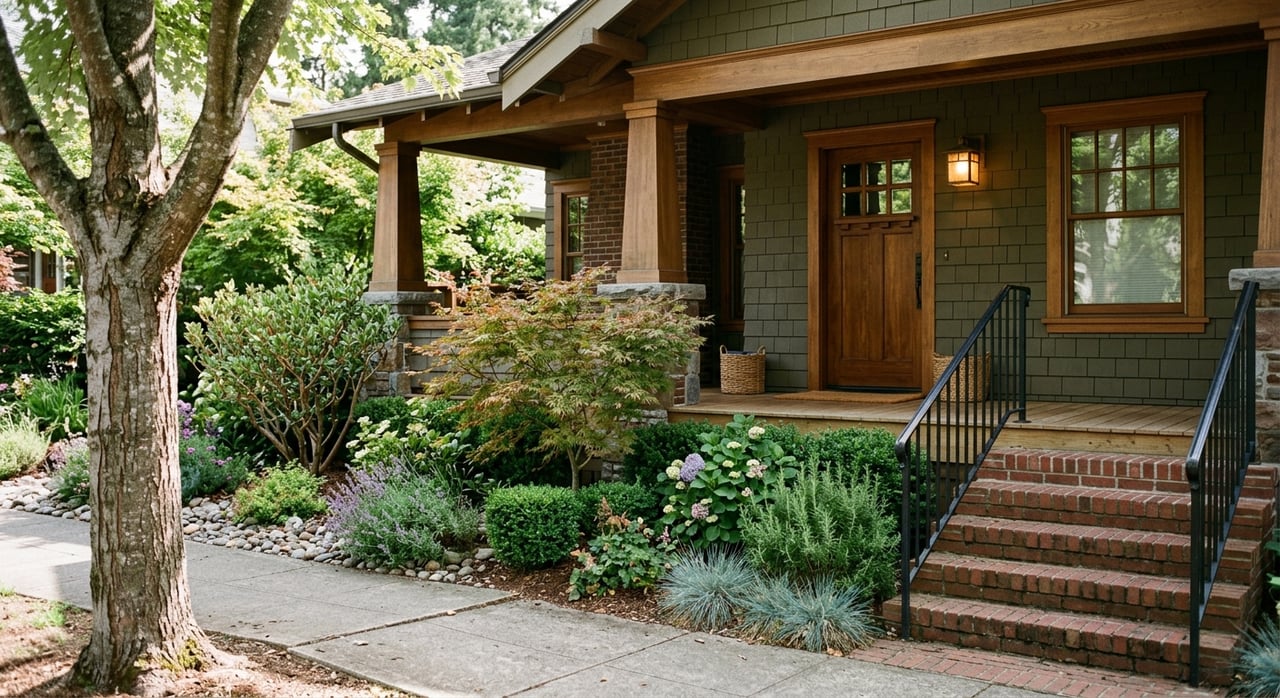
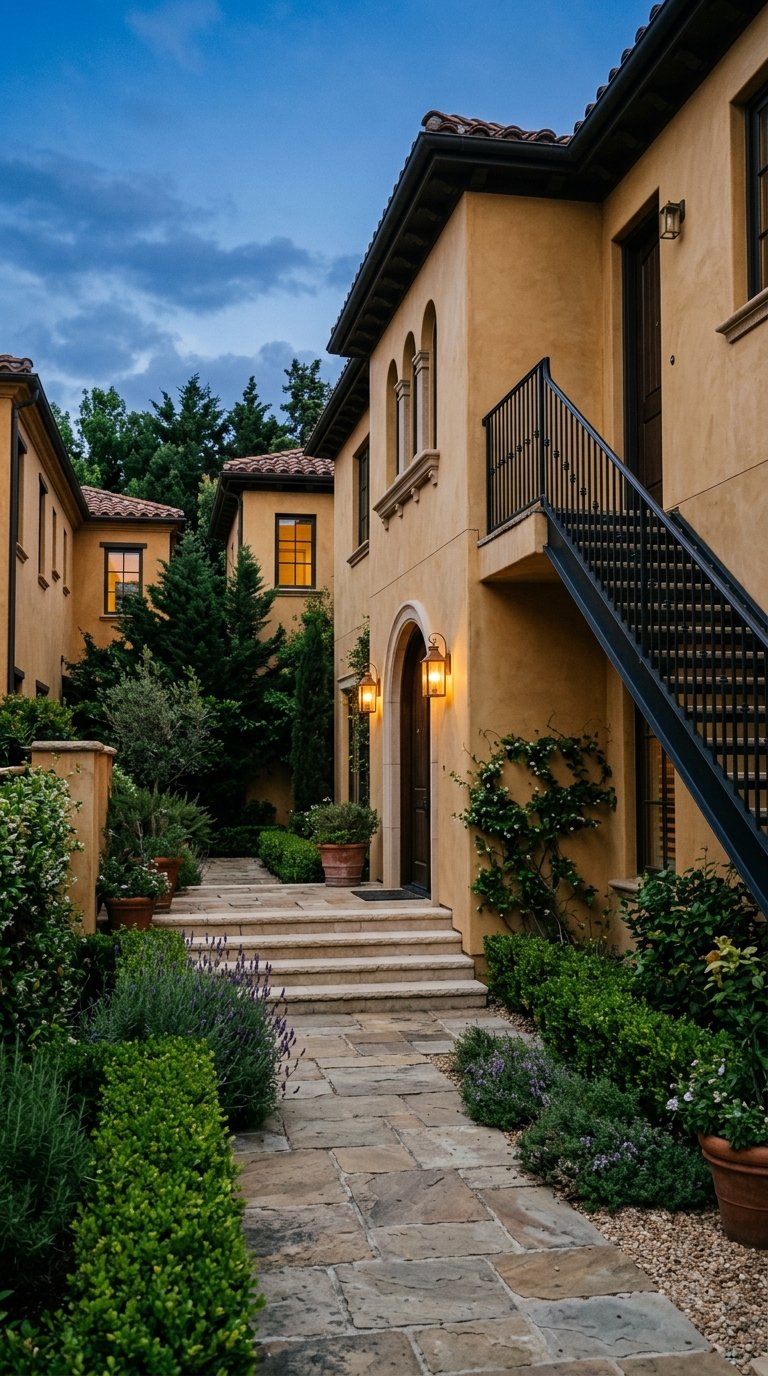
Piedmont is dominated by single-family homes, especially historic Craftsman, Tudor, and Mediterranean-style properties. Larger estate-style homes are also common on wider lots.
Property taxes follow California’s Proposition 13 rules, which set taxes based on a home’s assessed value plus local assessments. Annual increases are capped, but new purchases trigger a reassessment.
Yes. Piedmont has strict design review and building permit policies to maintain neighborhood character. Home additions, exterior remodels, ADUs, and landscape changes often require city approval.
Timelines vary based on financing and inventory, but most local transactions close within 21–30 days once an offer is accepted. Pre-approval and readiness to make competitive offers help speed up the process.
Most sellers focus on pre-sale inspections, cosmetic updates, decluttering, staging, and landscaping. Well-presented homes generally attract more interest and stronger offers.
Yes, almost all offers in Piedmont require a strong pre-approval (or proof of funds if paying cash). It signals seriousness and strengthens your competitiveness in a fast-moving market.
Home values in Piedmont are influenced by lot size, architectural style, recent renovations, and comparable neighborhood sales. Reviewing recent market data and conducting a thorough assessment of your property’s condition can help you get a more accurate estimate.
Yes. Because inventory is limited, some Piedmont homeowners choose to market their properties privately or announce them before they officially go on the MLS. These homes can include anything from updated Craftsman houses to larger estate-style residences.
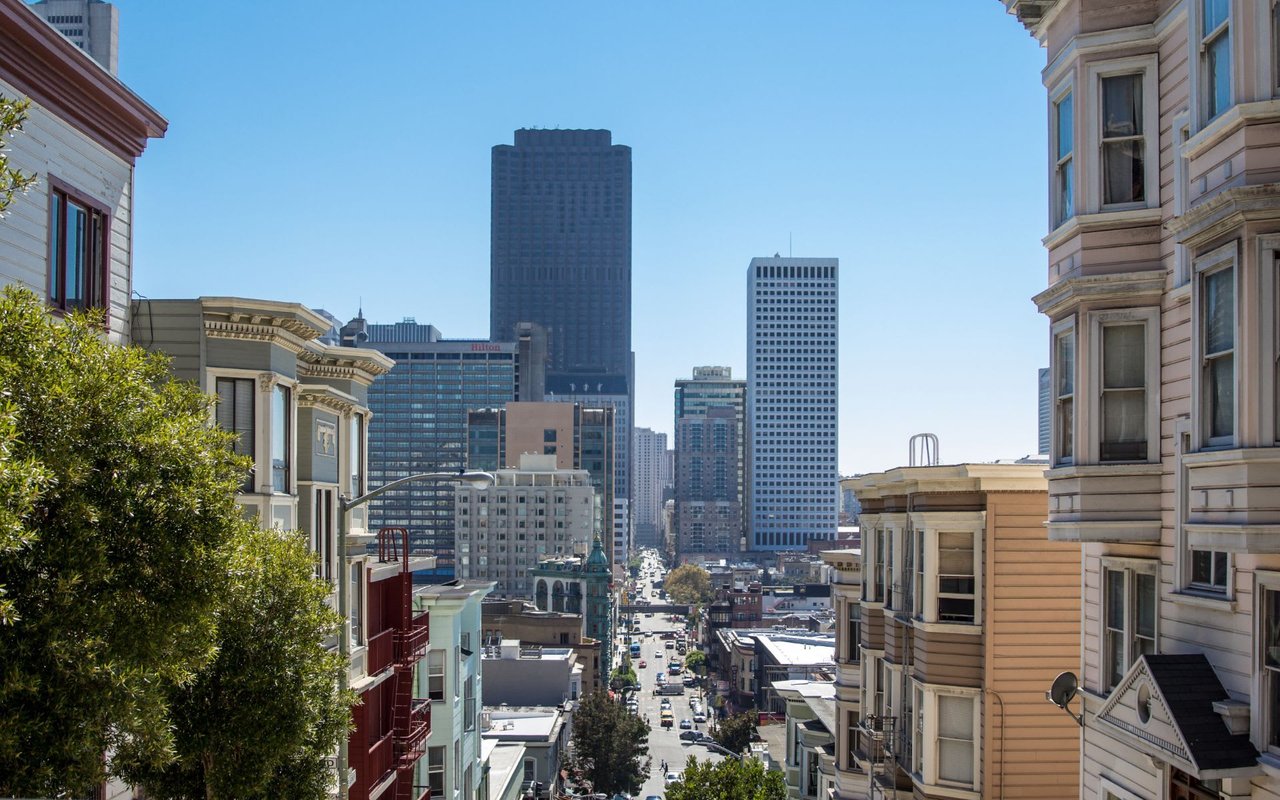
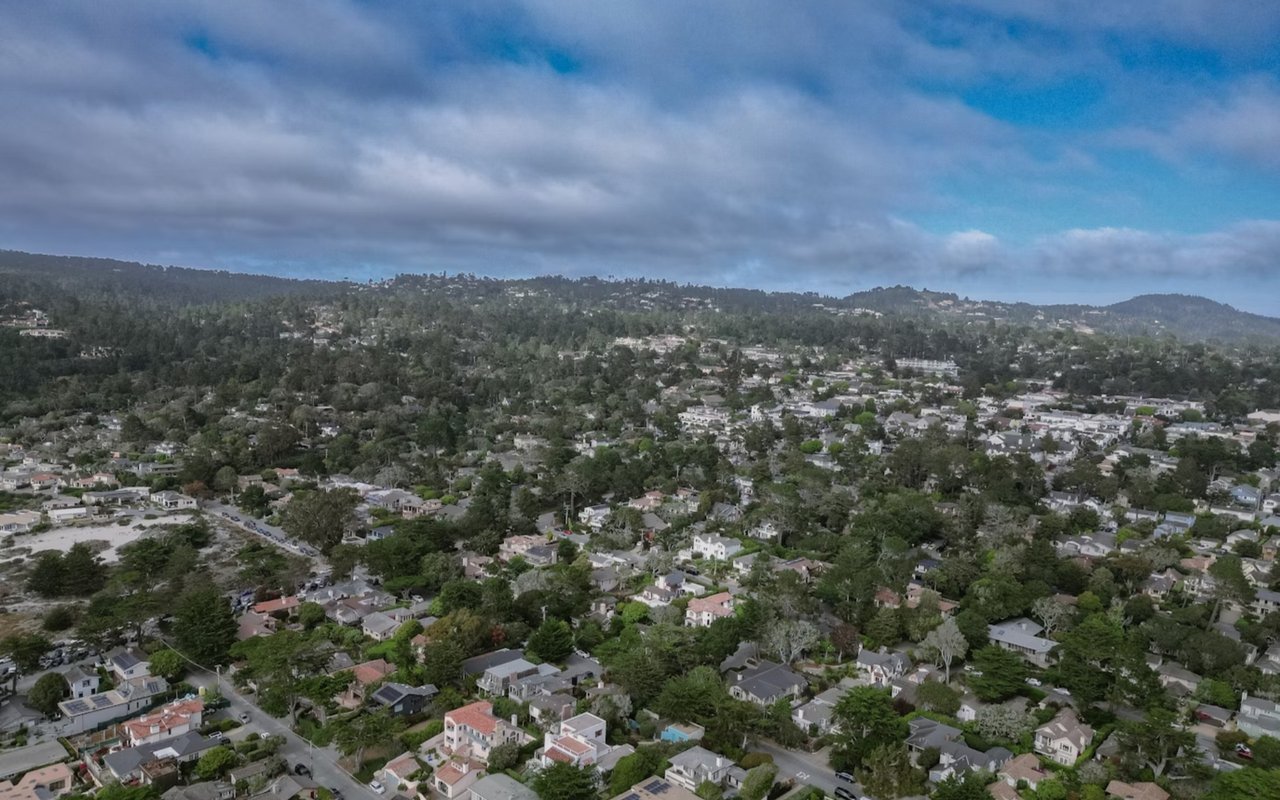
Piedmont is a small, incorporated city surrounded by Oakland in the East Bay. Its central location provides quick access to downtown Oakland, Berkeley, and San Francisco, while maintaining a distinctly residential setting. The city’s tree-lined streets and rolling hills create a quiet environment just minutes from major business hubs and waterfront destinations.
Piedmont is known for its strong neighborhood ties and active civic involvement. Community events, youth sports, and local gatherings are part of daily life, with parks and recreational facilities serving as central meeting points. The city maintains a predominantly residential character, with limited commercial development, which contributes to its quiet atmosphere and cohesive identity.
Piedmont Unified School District is a key draw for homebuyers. The district consistently ranks among the top public school systems in California, offering well-regarded elementary, middle, and high schools. The emphasis on academic performance and extracurricular involvement plays a significant role in sustaining property demand and long-term value.
While Piedmont itself is primarily residential, nearby BART stations in Oakland provide convenient rail access to San Francisco and other parts of the Bay Area. Major highways including I-580 and Highway 13 are easily accessible, supporting regional commuting by car. The city’s layout also supports walkability to schools, parks, and neighborhood amenities.
Piedmont has limited commercial zoning, but residents are minutes from Oakland’s College Avenue, Grand Lake, and Uptown districts. These nearby areas offer a wide range of restaurants, cafés, and specialty markets, providing convenient access to both casual and upscale dining options.
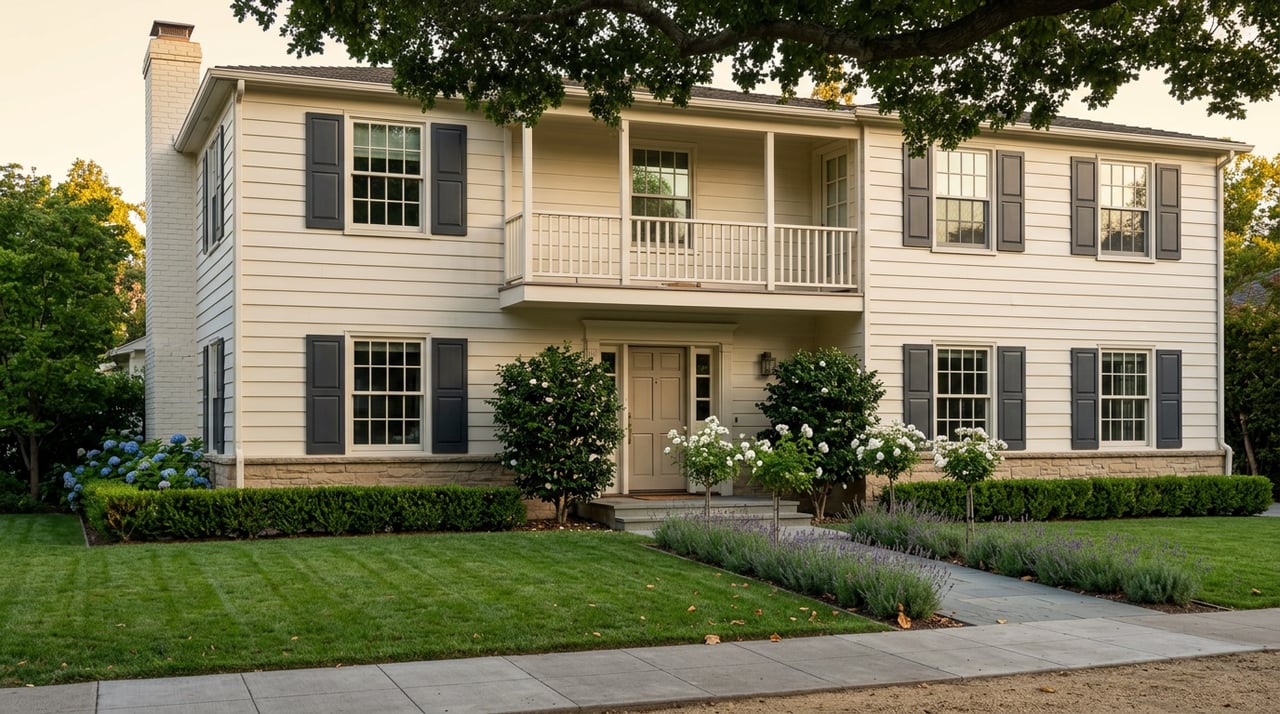
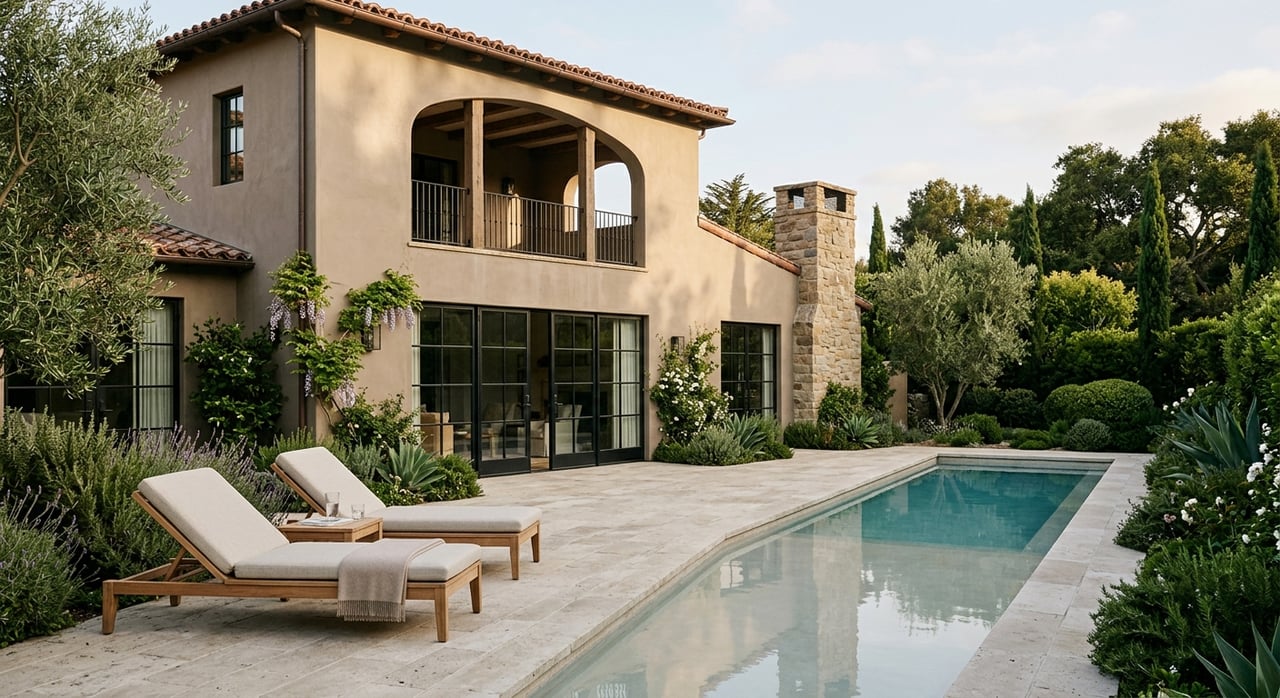
Piedmont real estate consists largely of single-family homes, many built in the early to mid-20th century. Architectural styles include Tudor, Mediterranean, Colonial Revival, and traditional designs, often set on landscaped lots with mature trees. Inventory is typically limited, contributing to steady demand and strong property values within the East Bay market.