Browse listings and housing market trends.
What is the housing market like in Piedmont today? In October 2025, Piedmont home prices were up 22.6% compared to last year, selling for a median price of $2.8M. On average, homes in Piedmont sell after 13 days on the market compared to 14 days last year. There were 14 homes sold in October this year, down from 16 last year.
Median Sale Price
# of Homes Sold
Median Days on Market
Shopping for Piedmont, CA land and lots for sale is very different from buying an existing home—zoning, utilities, slope, and buildability all play a much bigger role. The FAQs below cover the most common questions buyers ask when evaluating vacant land in and around Piedmont, from feasibility and permits to timelines, costs, and long-term value.
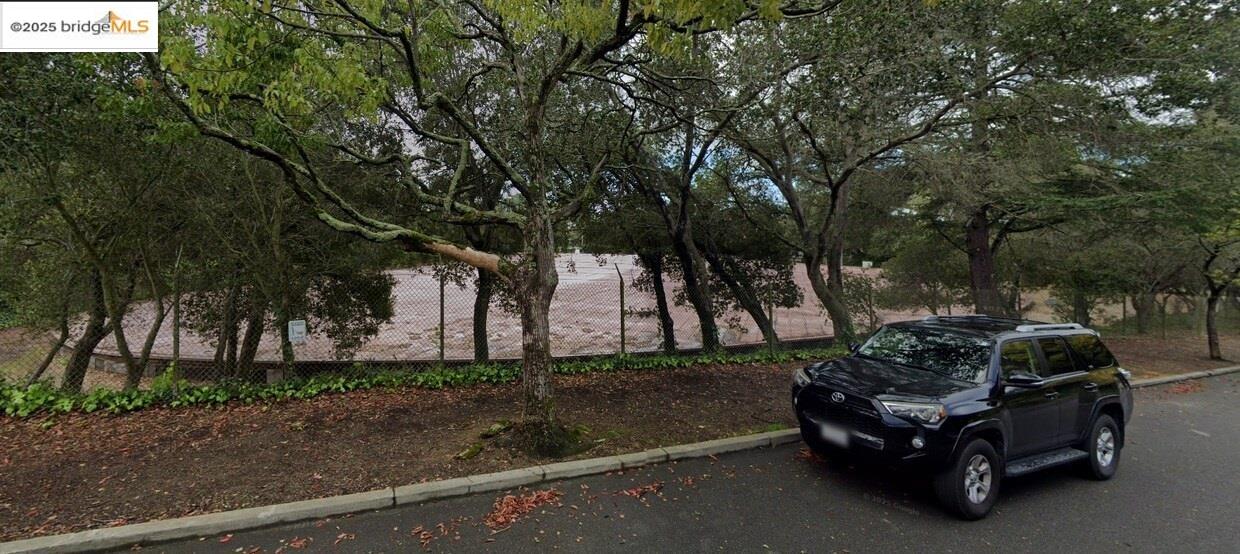
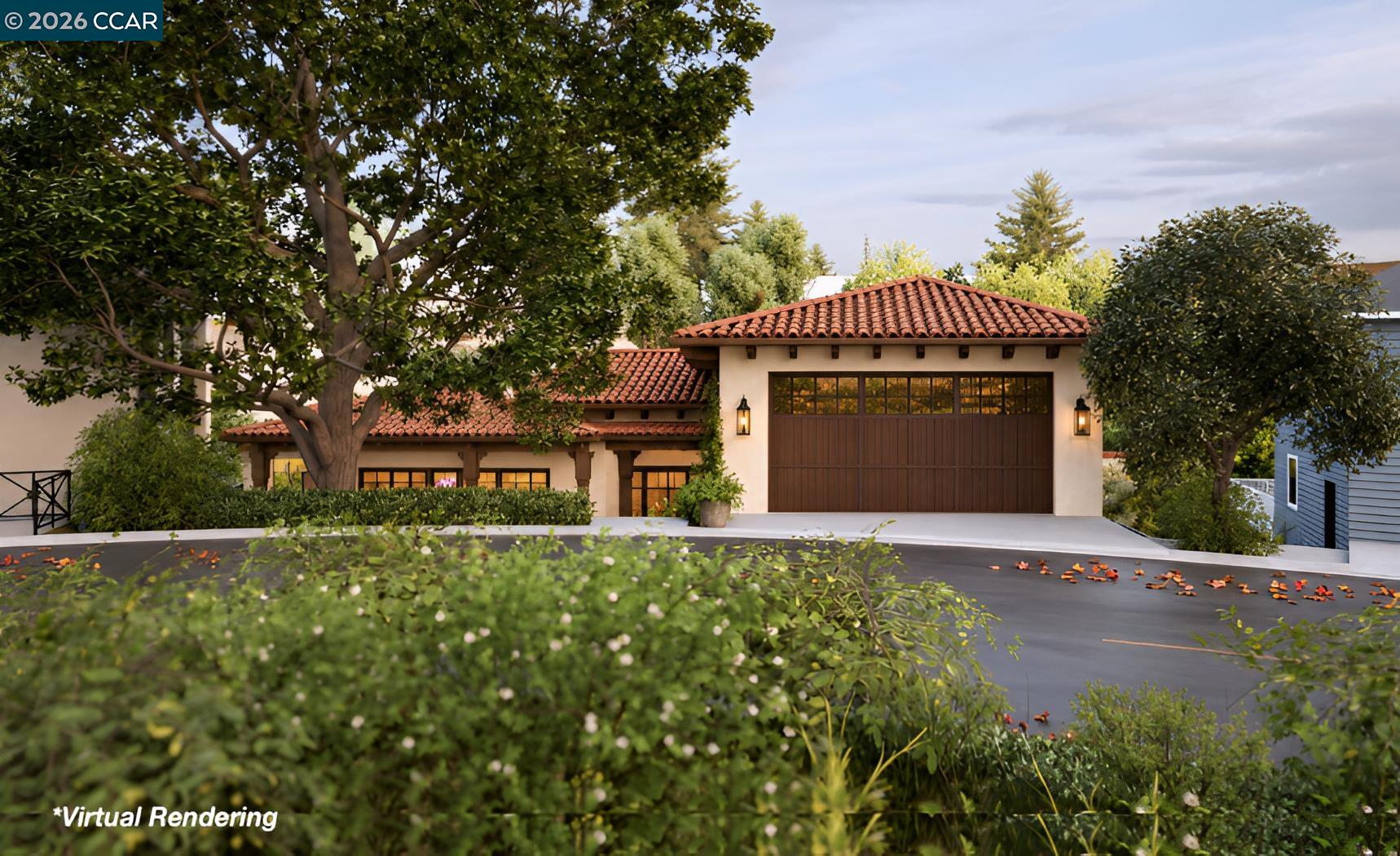
Piedmont is a small, built-out city, so truly vacant lots are relatively rare. Most opportunities are infill lots, tear-downs, or parcels created through subdivision, and they tend to move quickly when well-located and realistically priced. Because inventory is limited, it’s important to be ready to act when a suitable lot becomes available.
Key factors include zoning, lot size and shape, slope, street access, and proximity to utilities. You’ll also want to consider how the lot fits into the surrounding neighborhood—views, privacy, and how neighboring homes sit on their lots all affect design options and long-term value. A quick sketch of where a potential home could sit on the lot is often very revealing.
A buildable lot generally meets local zoning requirements and has feasible access to water, sewer, and other utilities. You or your design professionals should confirm setbacks, height limits, lot coverage, and any constraints like easements or steep slopes. It’s wise to speak with the city’s planning department early to verify what can realistically be built.
You’ll want to know the zoning designation, allowed uses, minimum lot size, required setbacks, height restrictions, and any design review requirements. In some cases, variances or special approvals may be needed due to lot shape, slope, or existing conditions. Understanding these rules up front helps you avoid purchasing a lot that can’t support your desired home.
Most city lots are near existing utility lines, but that doesn’t always mean connections are simple or inexpensive. You should verify the location of water, sewer, gas, and electrical service, and check whether any upgrades or capacity issues may increase costs. Utility availability and connection fees can significantly affect your total project budget.
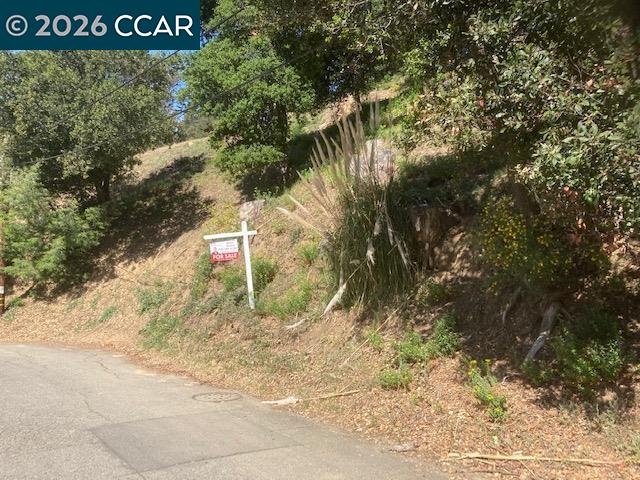
Yes, sloped or hillside lots typically require more engineering and construction work, such as retaining walls, specialized foundations, and more complex drainage solutions. While they can offer great views and architectural interest, the extra site work often raises overall costs. Budgeting for geotechnical reports and structural engineering is especially important on these parcels.
Timelines can vary widely, but you should plan for design, permitting, and construction to unfold over many months, often a year or more from purchase to move-in. Design review, permitting, and any needed variances can extend the pre-construction phase. Working with experienced local professionals can help you navigate the process more efficiently.
Beyond the purchase price, many buyers underestimate costs like grading, retaining walls, stormwater management, utility connections, and required fees or permits. You may also need surveys, soils reports, and engineering plans before you can even submit for permits. Getting rough estimates for site work and professional services early helps prevent budget surprises.
Because buildable land is limited and the city is known for strong schools and high demand, well-located lots can have solid long-term potential. However, the success of your investment depends on buying at the right price, managing construction costs, and designing a home that fits neighborhood expectations. Running conservative numbers on total project cost and likely resale value is essential.
Financing land is possible, but loan terms are usually stricter than for existing homes and may require a larger down payment. If you plan to build soon, some buyers use construction or construction-to-permanent loans that cover both land and build costs. Talking with lenders who are familiar with Piedmont, CA land and lots for sale will give you a clearer picture of your options.

Navigate the Piedmont Real Estate Market With Confidence.
Read More
Get the best financial return on your fabulous Oakland real estate investment with...
Read More
From lush city parks to exquisite mansions and award-winning schools, this Califor...
Read More
This Oakland suburb combines accessible city living with the added convenience of ...
Read More
Whether you’re looking for a laid-back town or a fast-paced city lifestyle, Easy B...
Read More
Enjoy your favorite foods or discover new ones in Oakland.
Read More
Getting pre-approved, shopping for a mortgage, and other tips to help you be succe...
Read More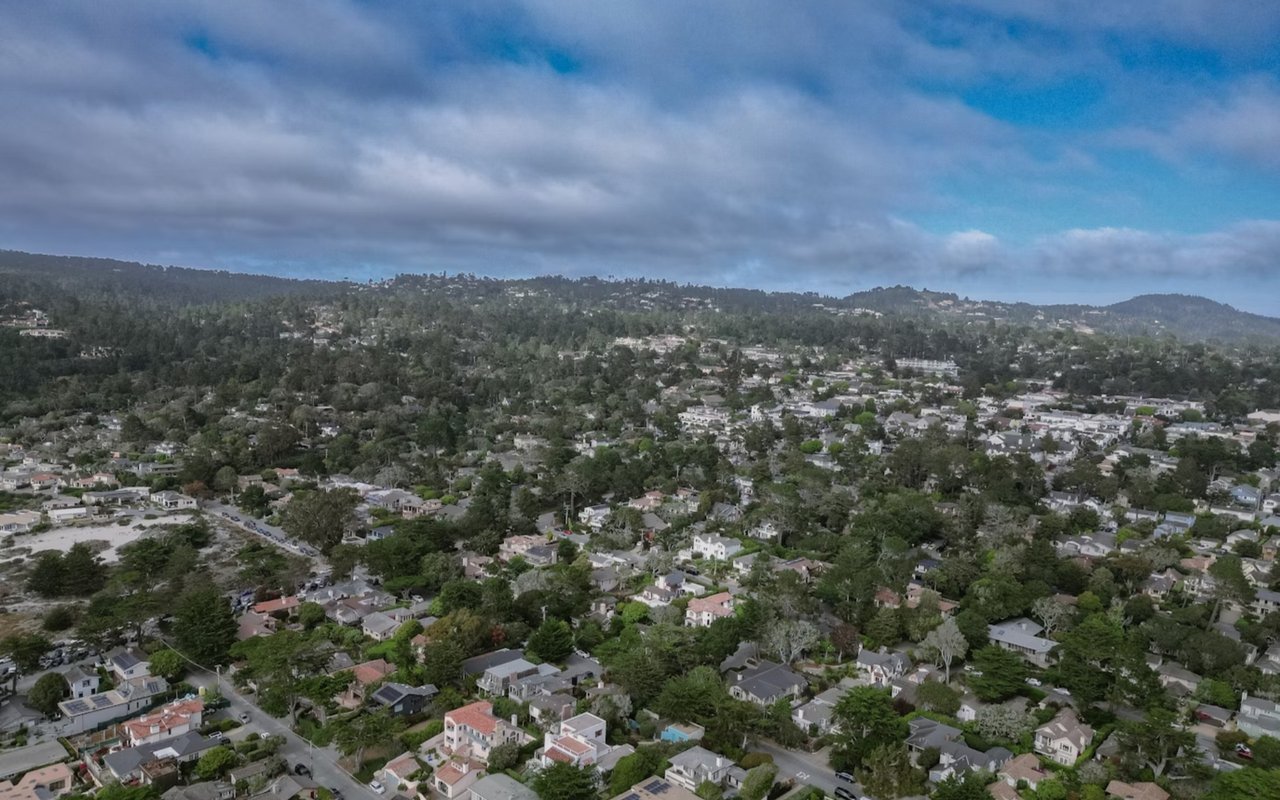
Essential considerations for prospective buyers in Piedmont.
Read More
A trip across the most stunning roadways and scenic routes around Piedmont.
Read More
A clear and confident guide to understanding your home inspection journey.
Read More
Your comprehensive guide to selling successfully and seamlessly.
Read More
How to Make Your Piedmont Home Stand Out from the Moment Buyers Walk In.
Read More
Elevate Your Piedmont Property With These Stylish, High-ROI Upgrades.
Read More
What to Know, Prepare, and Expect Before Making This East Bay Gem Your New Home.
Read More

Piedmont’s placement makes it a top choice to live for many California residents.
Read More
The ins and out of East Bay real estate that every newcomer needs to know.
Read More
Buyers are flocking to the Bay Area in droves — use the tips below to win a potent...
Read More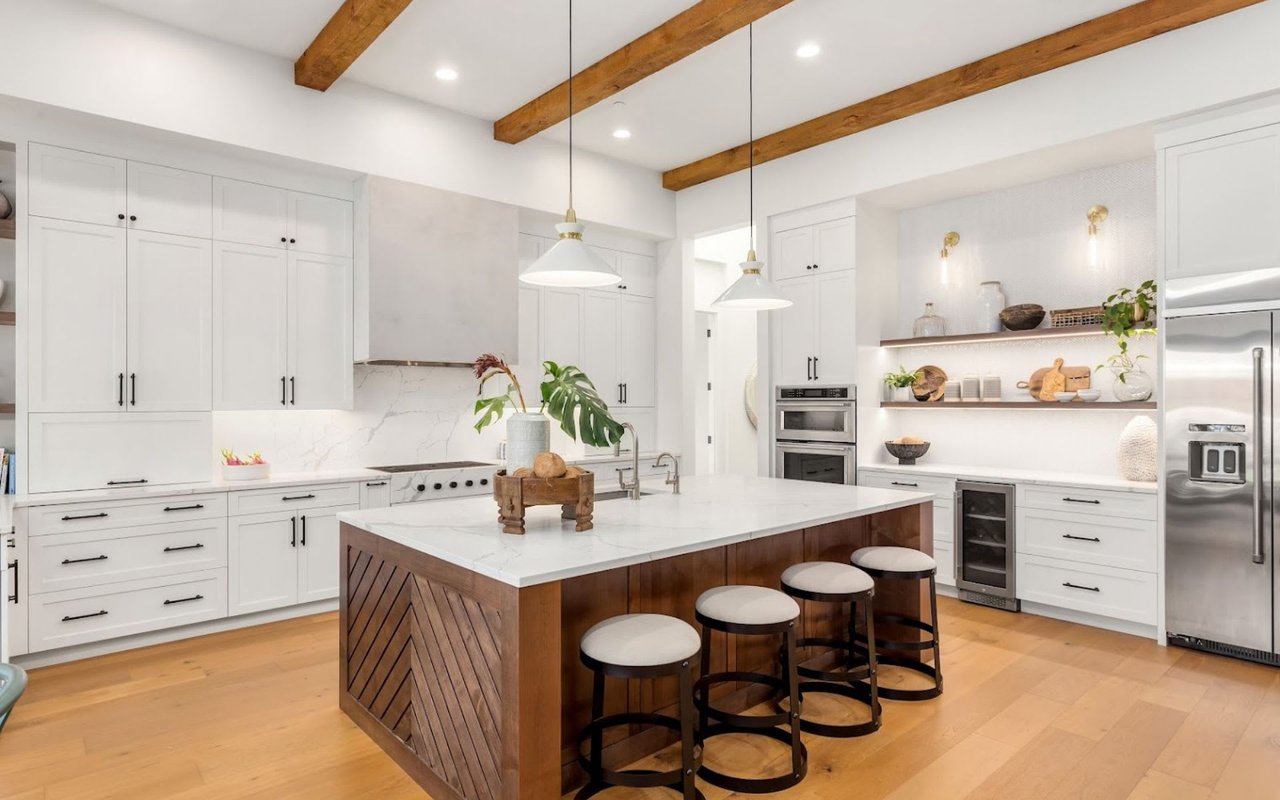
From interior updates to exterior transformations, here are some home improvement ...
Read More

The Bay Area is full of beautiful luxury homes, and this guide will help you learn...
Read More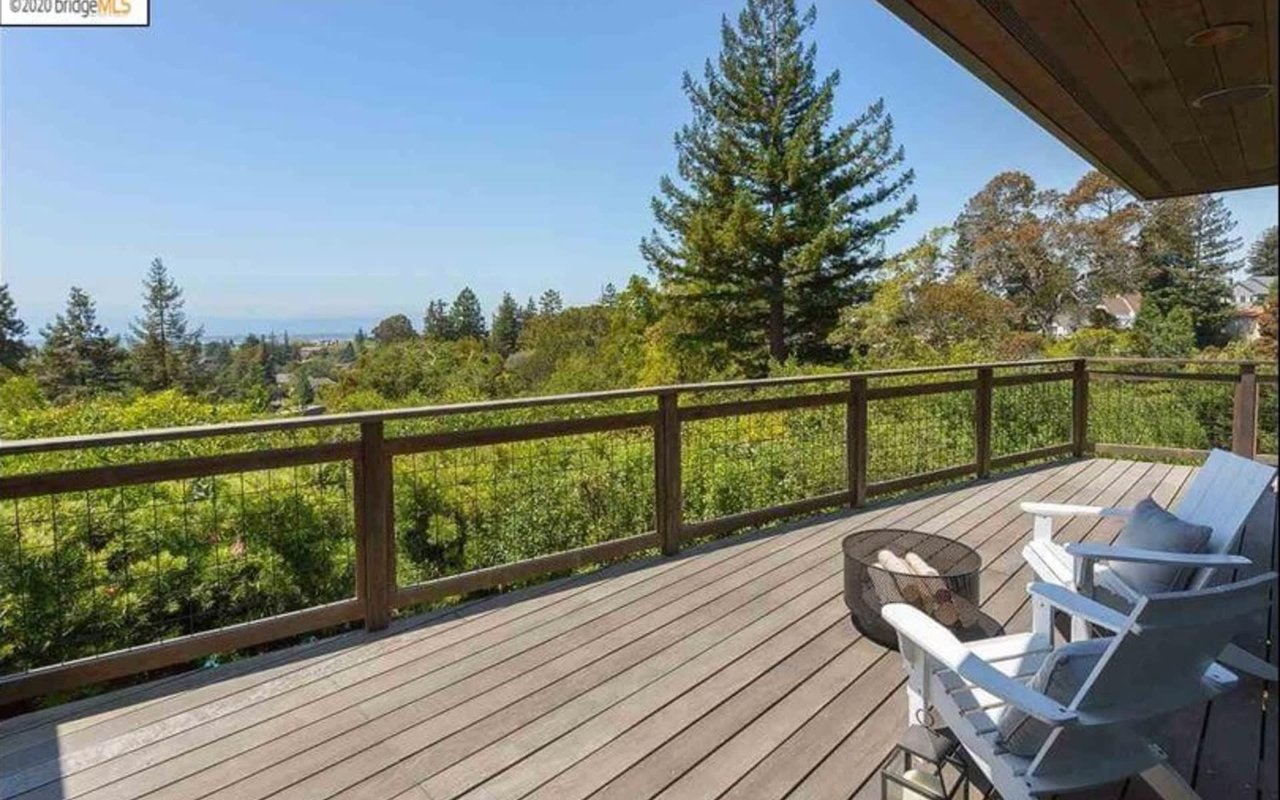
The AFL-CIO has announced that it will be investing as much as $1 billion in the l...
Read More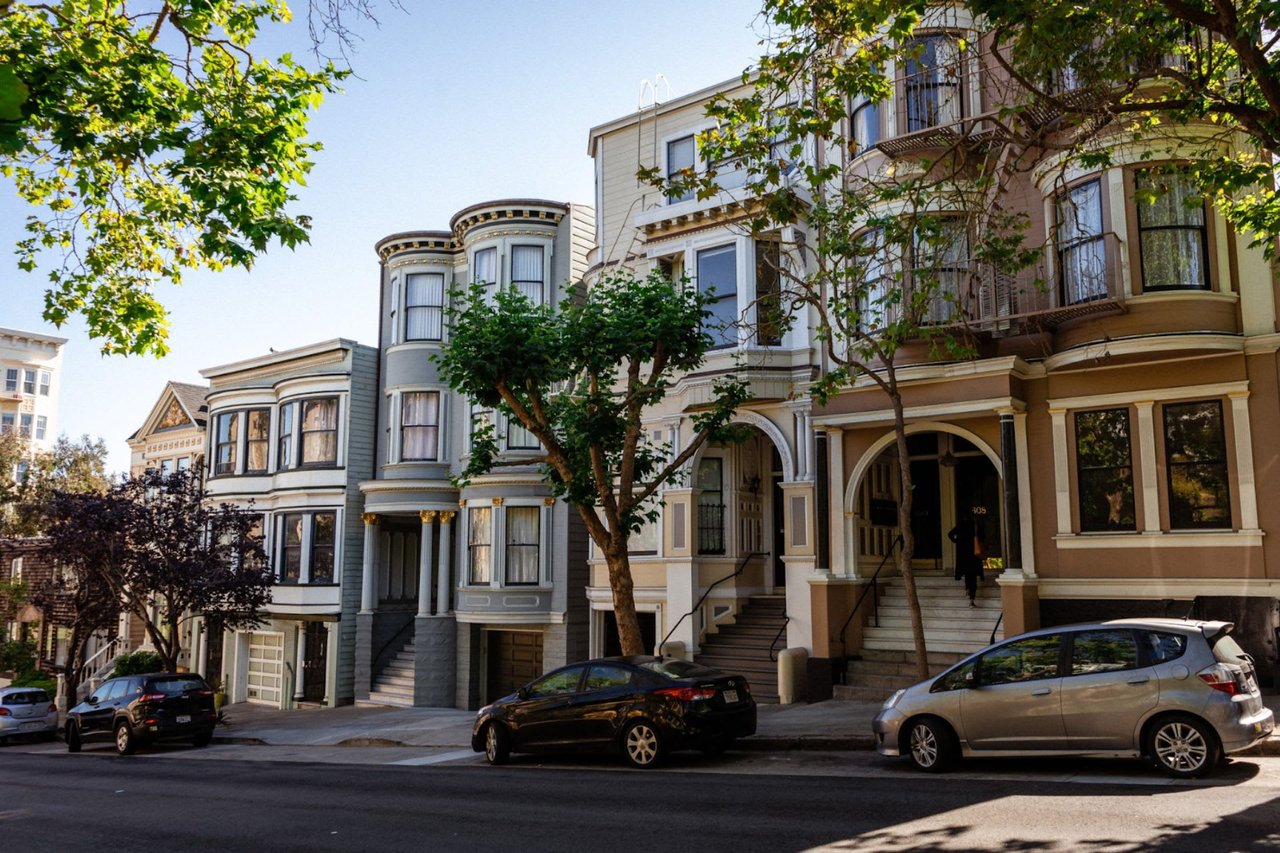
Learn how to face the challenges of purchasing a home in a seller’s market.
Read More
The Port of Oakland stands as a lifeline of Northern California’s food and medical...
Read More
Trent Holsman of CBRE states that available subleasing commercial space has increa...
Read More