Browse listings and housing market trends.
```
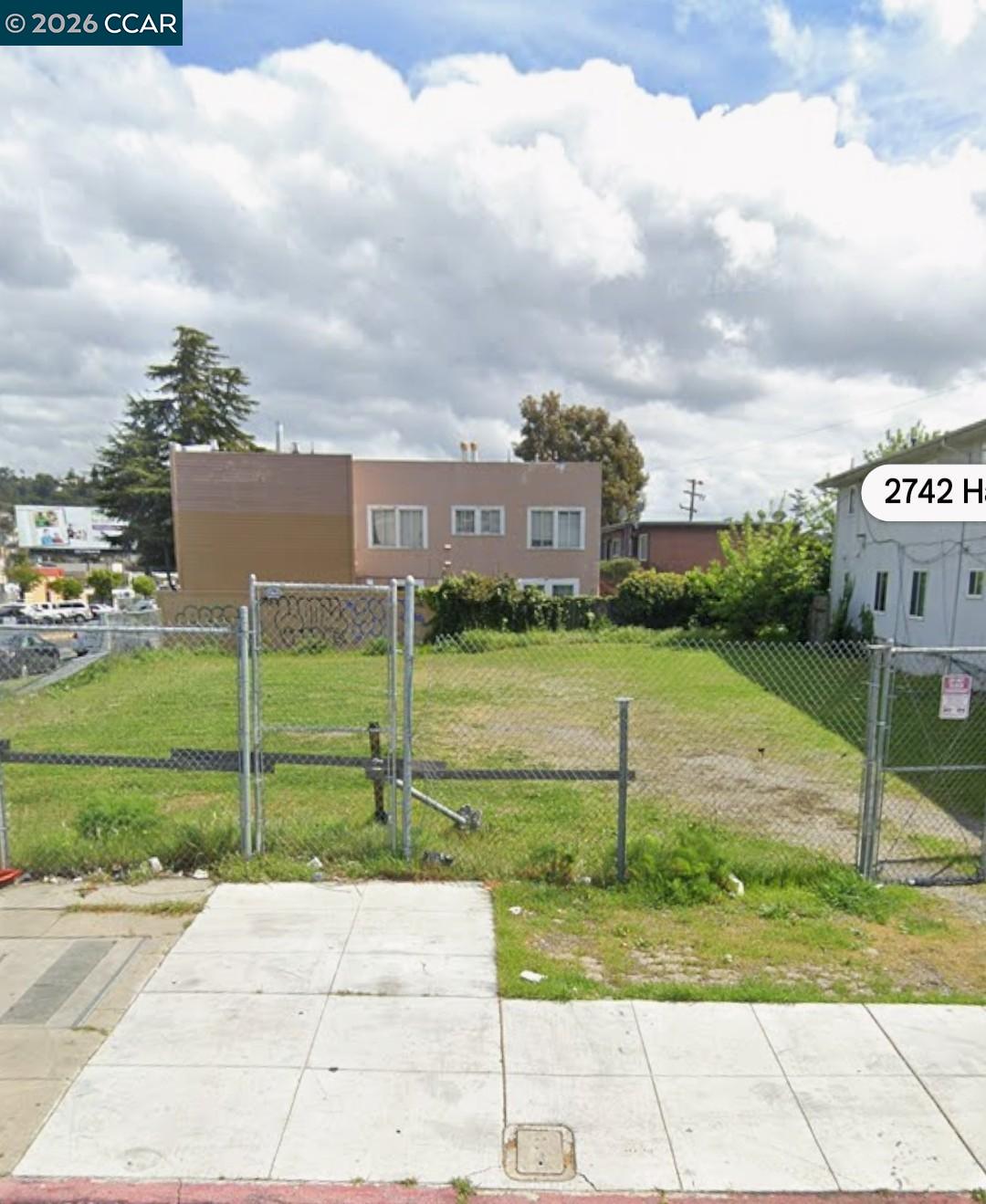
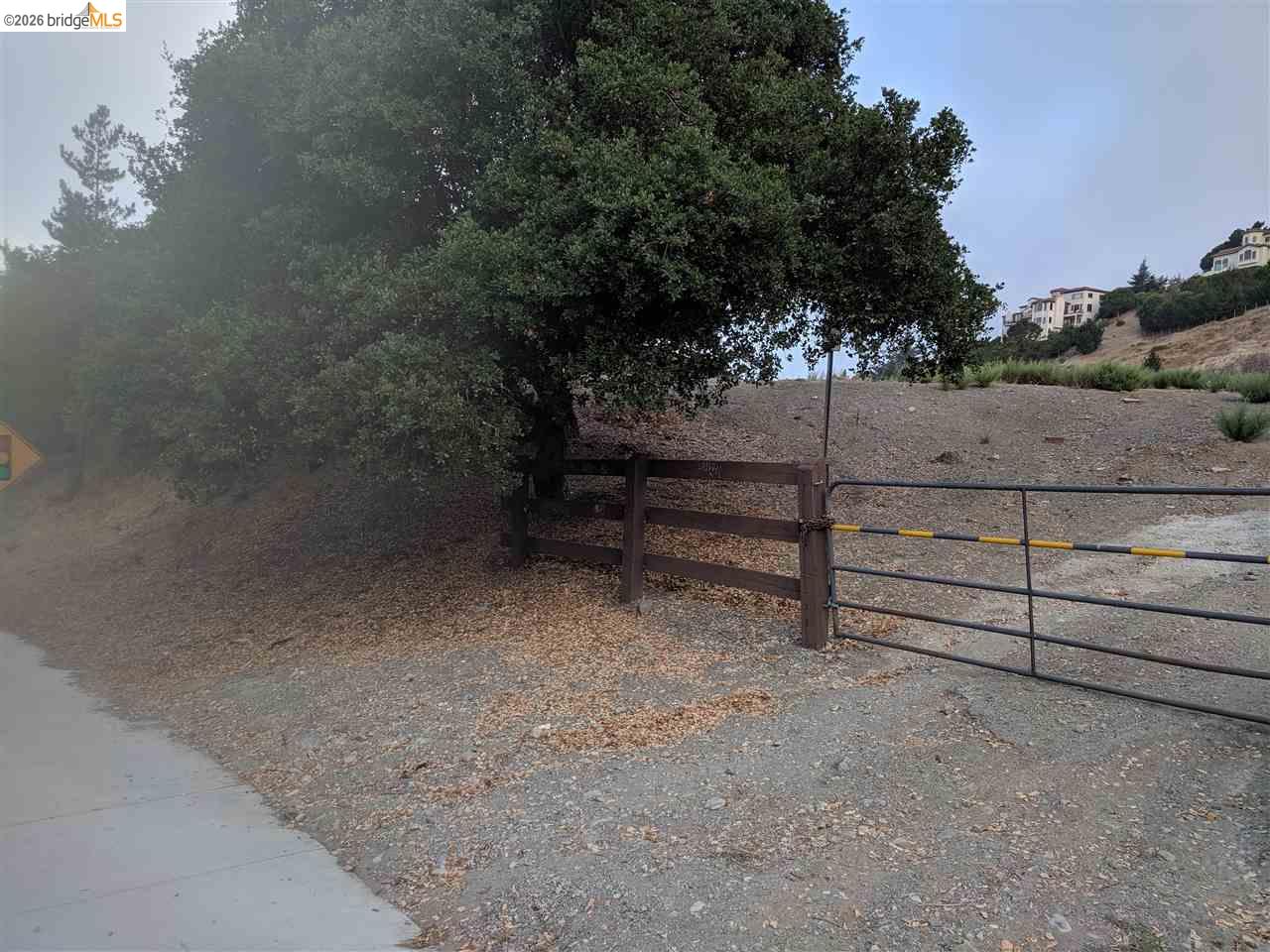
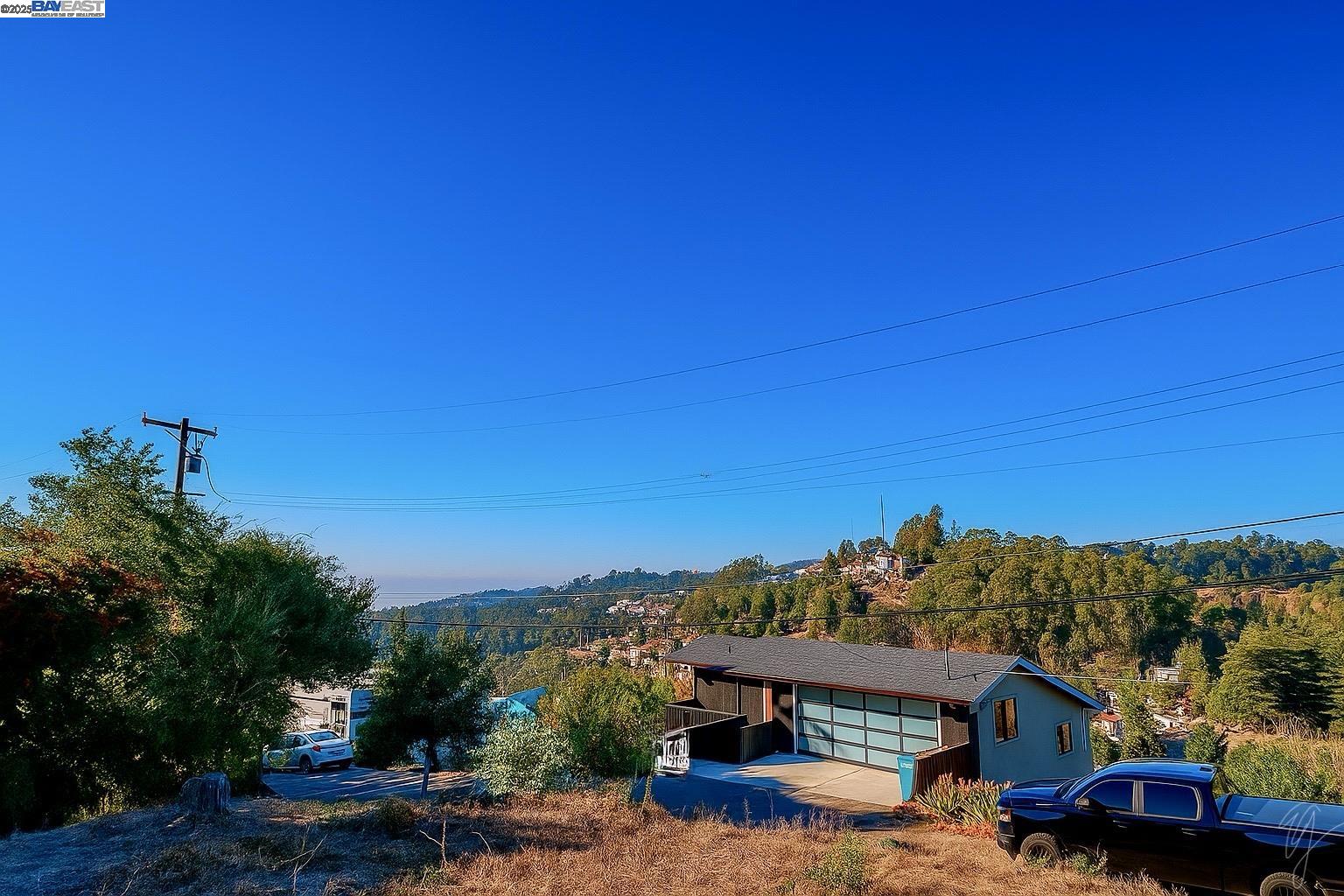
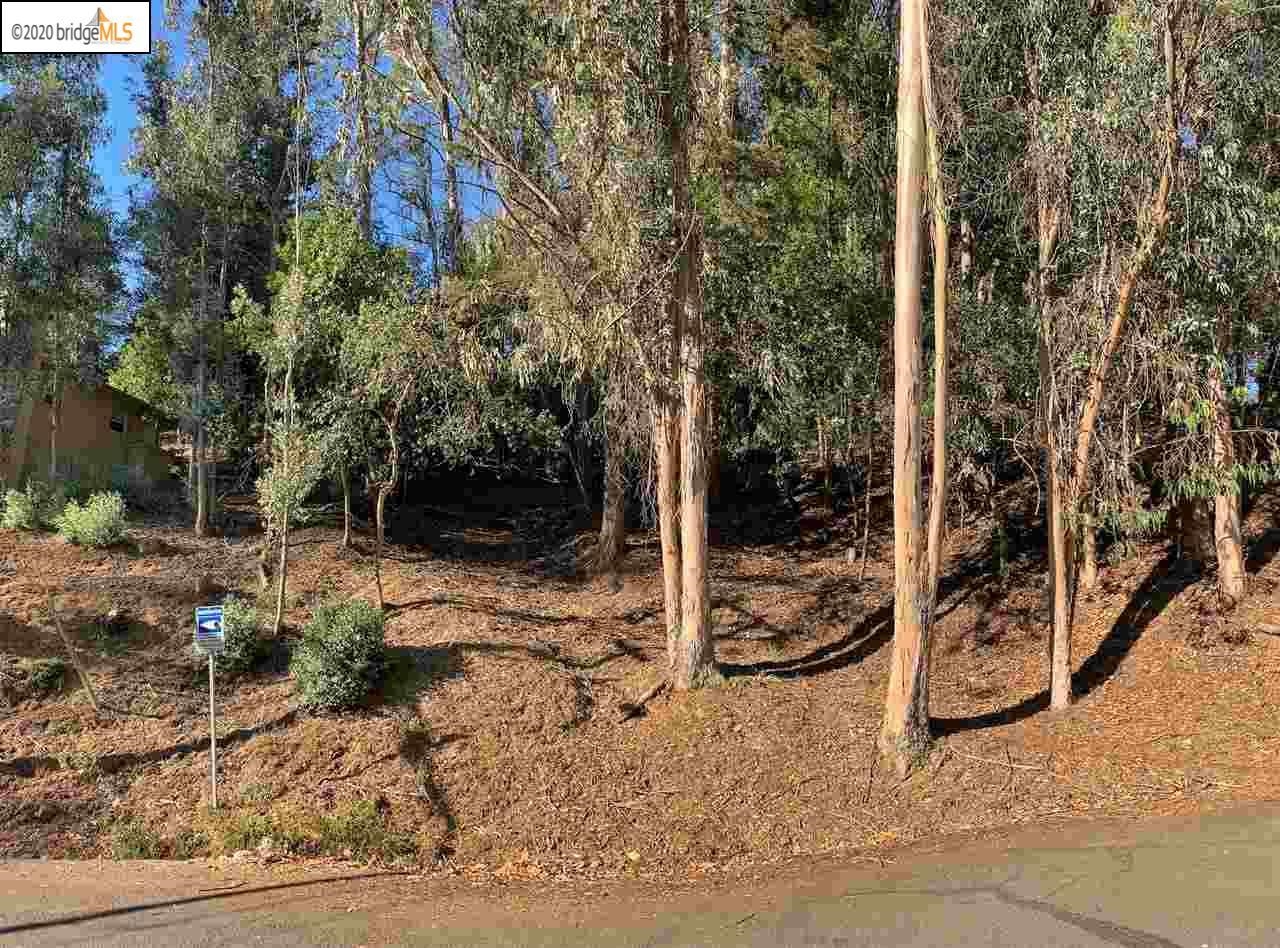
Oakland land for sale can appeal to buyers who want more control over future property plans, whether that means building a custom residence, exploring development potential, expanding an existing portfolio, or holding a parcel for long-term value.
Because Oakland has a layered real estate market, land opportunities can vary widely by neighborhood, lot size, slope, zoning, utility access, street frontage, views, existing structures, and permitting considerations. A parcel in the Oakland Hills may require a very different review process than a vacant lot near transit, commercial corridors, or established residential neighborhoods.
This guide is designed to help buyers compare Oakland land listings with more confidence and understand the early due diligence items that matter before moving forward.
```
Land in Oakland can serve different buyer goals. Some buyers are looking for a custom home site, while others are focused on development potential, infill opportunities, accessory dwelling planning, or future investment use.
The most important step is understanding what the parcel can realistically support. Lot dimensions, slope, zoning, setbacks, easements, utilities, soils, trees, access, neighborhood character, and local review requirements can all shape what is possible.
```
01
Some Oakland land buyers want to create a home that fits their lifestyle, architecture preferences, outdoor living needs, and long-term plans.
02
Depending on zoning and site conditions, certain parcels may invite further study for residential development, additional units, or future improvement potential.
03
Buyers may also consider land as a long-term hold, especially when the parcel has a desirable setting, views, access, or proximity to established Oakland neighborhoods.
```
Oakland land opportunities can appear in hillside neighborhoods, infill pockets, established residential areas, transit-oriented locations, and parcels near major corridors. Each setting comes with different advantages and due diligence needs.
A strong search strategy starts with the buyer’s end goal. A custom home buyer may prioritize views, privacy, and neighborhood feel, while a development-focused buyer may look more closely at zoning, parcel dimensions, access, and surrounding land use.
```
Hillside parcels may offer privacy, tree-lined settings, views, and a more residential feel. Buyers should carefully review slope, access, drainage, soils, utilities, fire considerations, and construction feasibility.
Infill lots near established neighborhoods may appeal to buyers who value proximity to restaurants, transit, and commercial corridors. Lot dimensions, zoning, parking, and surrounding density are especially important.
Parcels near central Oakland, BART, freeways, and employment centers may attract buyers looking for urban access. Buyers should review permitted uses, noise, traffic, utilities, title, and nearby development patterns.
Land near central amenities can be limited and highly site-specific. Buyers should compare walkability, access, zoning, adjacent properties, parking, and whether the parcel supports their intended use.
Due Diligence Item | What to Review | Why It Matters |
|---|---|---|
Zoning and Use | Permitted uses, density, setbacks, height limits, lot coverage, parking requirements, and any overlay considerations. | Zoning helps determine whether the buyer’s intended plan is realistic or whether further review is needed before purchase. |
Buildability | Lot size, dimensions, slope, soil conditions, drainage, retaining walls, access, trees, and existing improvements. | A parcel may look attractive online but require significant site work before it can support a viable project. |
Utilities and Infrastructure | Water, sewer, electrical, gas, storm drainage, access roads, curb cuts, and utility connection requirements. | Utility access can affect project cost, timeline, feasibility, and the type of improvements a parcel can support. |
Title and Easements | Legal access, recorded easements, boundary issues, encroachments, liens, restrictions, and prior survey information. | Clear title and access are essential before making long-term plans for any Oakland land purchase. |
Financing and Timeline | Cash requirements, land loans, construction financing, feasibility periods, permitting timelines, and professional reports. | Land transactions often require a different financing and contingency strategy than a traditional home purchase. |
```
Land is one part of Oakland’s broader real estate market. Buyers may also want to compare finished homes, luxury residences, condos, and townhomes before deciding whether a vacant parcel is the right fit.
```
```
Buying land requires a more technical review than buying a finished home. The right parcel is not only about location and price, but also what can be built, what approvals may be required, and what hidden costs may affect the project.
Buyers should approach Oakland land listings with a clear plan, a realistic budget, and the right professional support. Architects, contractors, surveyors, engineers, lenders, and planning specialists may all play a role depending on the property.
```
Search
Define whether the goal is a custom home, development project, long-term hold, expansion opportunity, or investment parcel before comparing listings.
Review
Review zoning, survey data, slope, utilities, access, environmental conditions, title, easements, and permit history before removing contingencies.
Plan
Land purchases can involve feasibility studies, design work, city review, financing steps, and construction planning, so timing should be built into the offer strategy.
Anian Tunney and Adrienne Krumins help Oakland land buyers evaluate site potential, compare neighborhood context, understand market positioning, and approach the purchase with a clearer due diligence strategy.
```
Oakland land sellers can benefit from presenting the parcel in a way that answers buyer questions early. Clear information about zoning, lot dimensions, access, utilities, permits, surveys, easements, and site conditions can help buyers better understand the opportunity.
Strong land marketing should speak to both the property’s immediate characteristics and its potential. Depending on the parcel, that may include views, neighborhood setting, proximity to transit, development context, privacy, access, or custom home appeal.
```
Surveys, utility information, title details, permits, prior reports, zoning notes, and access documentation can help serious buyers evaluate a parcel more efficiently.
The best strategy depends on whether the parcel is likely to appeal to custom home buyers, developers, investors, neighboring owners, or long-term land buyers.
```
Buying land in Oakland can involve zoning, site feasibility, financing, permits, and construction planning. These answers cover common questions buyers ask before pursuing a parcel.
```
Buyers should review zoning, permitted uses, lot dimensions, slope, utility access, title, easements, survey information, soil conditions, drainage, access, financing requirements, and likely permitting steps before moving forward.
Possibly, but it depends on the parcel. Buyers should confirm zoning, setbacks, lot coverage, height limits, access, utilities, slope, soil conditions, and any other site-specific requirements before assuming a custom home can be built.
Yes, financing land can be different from financing a finished home. Some buyers use cash, while others explore land loans or construction financing. Requirements can vary, so it is important to speak with a lender early in the process.
Land opportunities can appear across Oakland, including hillside areas, infill neighborhoods, central locations, and parcels near transit or major corridors. Availability changes often, so buyers should review active listings and neighborhood context carefully.
It can be for the right buyer, but land carries different risks than a finished home. Buyers should evaluate buildability, holding costs, market demand, permitting complexity, site constraints, and long-term goals before deciding.
Anian Tunney and Adrienne Krumins can help buyers compare land listings, understand neighborhood context, review market positioning, and build a due diligence strategy. For sellers, they can help position the parcel, organize key details, and market the property to the right buyer audience.
```

Get the best financial return on your fabulous Oakland real estate investment with...
Read More
From lush city parks to exquisite mansions and award-winning schools, this Califor...
Read More
This Oakland suburb combines accessible city living with the added convenience of ...
Read More
Whether you’re looking for a laid-back town or a fast-paced city lifestyle, Easy B...
Read More
Enjoy your favorite foods or discover new ones in Oakland.
Read More
Getting pre-approved, shopping for a mortgage, and other tips to help you be succe...
Read More
Essential considerations for prospective buyers in Piedmont.
Read More
A trip across the most stunning roadways and scenic routes around Piedmont.
Read More
A clear and confident guide to understanding your home inspection journey.
Read More
Your comprehensive guide to selling successfully and seamlessly.
Read More
How to Make Your Piedmont Home Stand Out from the Moment Buyers Walk In.
Read More
Navigate the Piedmont Real Estate Market With Confidence.
Read More
Elevate Your Piedmont Property With These Stylish, High-ROI Upgrades.
Read More
What to Know, Prepare, and Expect Before Making This East Bay Gem Your New Home.
Read More

Piedmont’s placement makes it a top choice to live for many California residents.
Read More
The ins and out of East Bay real estate that every newcomer needs to know.
Read More
Buyers are flocking to the Bay Area in droves — use the tips below to win a potent...
Read More
From interior updates to exterior transformations, here are some home improvement ...
Read More

The Bay Area is full of beautiful luxury homes, and this guide will help you learn...
Read More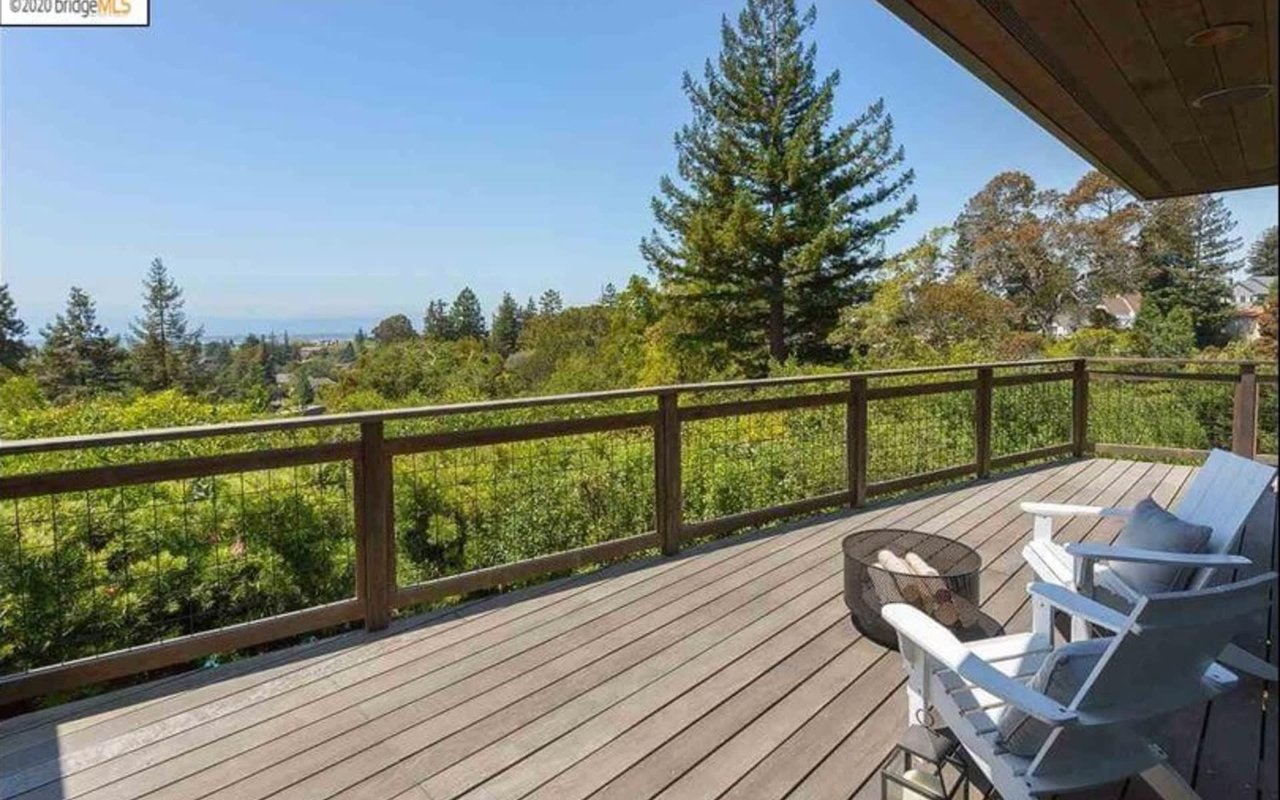
The AFL-CIO has announced that it will be investing as much as $1 billion in the l...
Read More
Learn how to face the challenges of purchasing a home in a seller’s market.
Read More
The Port of Oakland stands as a lifeline of Northern California’s food and medical...
Read More
Trent Holsman of CBRE states that available subleasing commercial space has increa...
Read More